Turning on the shower should be a refreshing start to your morning, not an unpleasant encounter with a rotten egg smell. And finding orange stains on freshly washed clothes certainly isn’t anyone’s idea of a successful laundry day. For households relying on well water, these frustrations are sometimes caused by naturally occurring iron and hydrogen sulfide.
Investing in appropriate iron and sulfur treatment for well water can help homeowners address unpleasant odors, discoloration, and recurring mineral-related maintenance problems.
For families throughout Virginia and Maryland, managing groundwater quality begins with understanding what’s actually causing these issues. The good news is that suitable treatment can make a meaningful difference without requiring major changes to your household routine.
Why Iron and Sulfur Appear in Well Water
Groundwater travels through layers of soil and rock before reaching your well. During this journey, it can collect naturally occurring minerals and other substances.
Iron is particularly troublesome because dissolved iron may initially be invisible. Once exposed to oxygen, it can form reddish-brown particles that stain sinks, bathtubs, and laundry.
Hydrogen sulfide, meanwhile, is commonly associated with that unmistakable rotten egg smell. It may occur naturally underground or develop through certain bacterial activities.
Sometimes, an unpleasant odor that appears exclusively in hot water originates within the water heater rather than the well itself.
Understanding where these problems begin is important. Treating the wrong source could leave you spending money without experiencing much improvement.
Looking Beyond Ordinary Water Filters
When water smells unpleasant or contains visible particles, purchasing a basic filter might seem like the obvious solution. However, groundwater often presents challenges that require more specialized treatment.
Effective filtration solutions for private wells should account for the type and concentration of contaminants, incoming water conditions, and the property’s daily consumption.
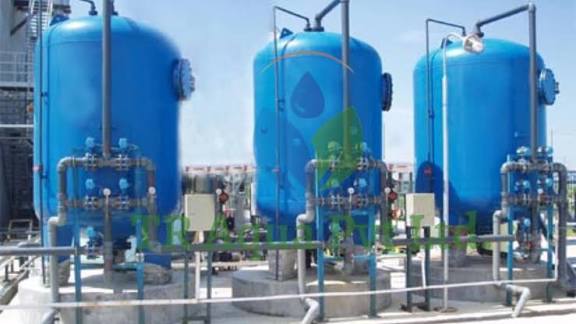
Oxidation-based treatment, for example, can convert dissolved iron into particles that suitable filtration media can capture. Certain treatment systems can also address hydrogen sulfide under appropriate operating conditions.
Sediment cartridges may help capture suspended debris, while activated carbon can be useful for particular taste and odor concerns.
The trick is choosing equipment that addresses the underlying problem rather than temporarily masking its symptoms.
Recognizing the Everyday Impact of Iron-Rich Water
Iron can create a surprising amount of extra housework. Bathroom fixtures develop stubborn stains, light-colored laundry becomes discolored, and cleaning products don’t always provide lasting results.
In some circumstances, iron-related deposits can also accumulate inside plumbing components and filtration equipment.
These inconveniences become especially frustrating when they happen repeatedly.
You might spend an entire afternoon cleaning the bathroom, only to notice fresh discoloration appearing a few days later.
Appropriate iron reduction can help limit new staining and reduce certain maintenance concerns.
However, existing deposits may still require separate cleaning. Water treatment is largely about improving incoming water and preventing recurring problems rather than instantly reversing years of accumulation.
Why Every Well Deserves an Individual Treatment Plan
One of the interesting things about groundwater is how much its characteristics can vary between neighboring properties. A treatment system that works perfectly for one household might not be suitable for another.
Professionally designed customized well water solutions take these differences into consideration by matching treatment technologies with laboratory testing results, household demand, and existing plumbing arrangements.
Some properties may need iron reduction alongside conventional water softening. Others might benefit from sulfur treatment, sediment filtration, or appropriate microbial disinfection.
Water chemistry matters, too. Factors such as pH and contaminant concentrations can influence how effectively certain filtration media operate.
A tailored approach helps homeowners avoid unnecessary equipment while addressing the concerns that genuinely affect their water supply.
Don’t Underestimate the Importance of Water Testing
Unpleasant odors and rusty stains offer useful clues, but they don’t tell the complete story.
Laboratory testing helps identify iron, manganese, hardness, pH, and other relevant water characteristics. Testing for microbial contamination and potentially harmful substances is equally important for well owners.
Even water that looks perfectly clear and tastes refreshing may contain contaminants that cannot be detected through ordinary observation.
Regular testing is particularly worthwhile following flooding, well repairs, or unexpected changes in water quality.
Having reliable information makes choosing treatment equipment considerably easier. It also provides a useful reference for evaluating system performance after installation.
Keeping Your Treatment Equipment Working Reliably
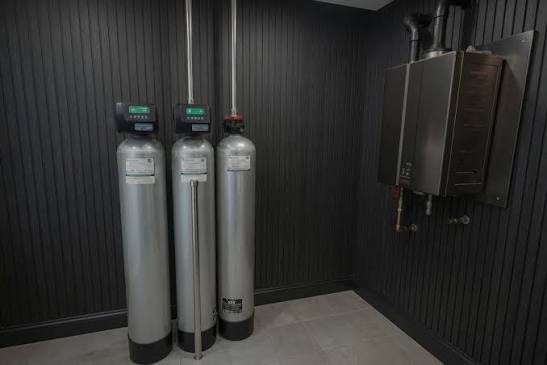
Once a water treatment system is installed, it’s easy to forget about it. Most equipment operates quietly in a basement or utility room, away from everyday household activities.
Nevertheless, routine maintenance matters.
Filtration media gradually lose treatment capacity, sediment cartridges accumulate debris, and certain systems require periodic backwashing or replenishment of treatment materials.
Before purchasing equipment, ask about servicing intervals, replacement component costs, and ongoing operating requirements.
Keeping a simple maintenance record can help prevent overlooked responsibilities.
Periodic water testing also remains important, particularly when equipment is intended to address potentially harmful contaminants.
A pleasant smell and clearer appearance are welcome improvements, but neither establishes drinking water safety on its own.
Enjoying Your Well Water With Greater Confidence
Having a private well shouldn’t mean constantly worrying about stained laundry, unpleasant showers, or discolored water.
By understanding your groundwater conditions and selecting suitable treatment equipment, you can address many of these recurring frustrations.
There’s real value in the little improvements: enjoying a shower without an objectionable odor, washing your favorite clothes without worrying about iron stains, or spending less time scrubbing bathroom fixtures.
Maintaining your own water supply does require some responsibility. But with reliable testing, appropriate treatment, and consistent care, well ownership can become a far more enjoyable experience.
And that’s something worth investing in, especially when your family depends on that water every single day.