A comfortable home depends on things that often go unnoticed. The kitchen tap should deliver clean water, the bathroom drain should clear without a fuss, and the heating system should do its job when the weather turns cold. When everything works, plumbing rarely crosses your mind. But one leaking pipe or a stubborn drain can quickly interrupt an otherwise ordinary day.
Plumbing maintenance isn’t only about fixing problems after they appear. It also involves recognizing early warning signs, understanding how different systems work together, and knowing when a repair needs professional attention. A little preparation can help prevent property damage, reduce wasted water, and make unexpected repairs less stressful.
Why Your Home’s Plumbing System Needs Attention
Water travels through a network of pipes, valves, fixtures, and connections before reaching your taps. Wastewater follows a separate route through drains and sewer pipes. Each part has a purpose, and a fault in one area can sometimes affect several others.
For instance, low water pressure throughout the house might point to a supply issue, a faulty pressure regulator, or a hidden leak. If only one faucet is affected, the problem may be limited to a clogged aerator or a local valve. Understanding the difference helps you explain the symptoms clearly when contacting a plumber.
It’s worth keeping an eye out for less obvious signs, too. Damp cabinets, bubbling paint, unexplained increases in your water bill, or a persistent musty smell can indicate moisture where it shouldn’t be. These clues don’t always mean there’s a major leak, but ignoring them can allow a manageable issue to grow.
Make a habit of checking beneath sinks and around visible pipe connections. You don’t need specialized tools for a basic visual inspection. If you find moisture, try to identify whether it’s coming from a supply connection, a drain, or a nearby appliance. Avoid dismantling pressurized pipes, though; a qualified plumber can investigate safely.
Gas Lines Require a Different Level of Caution
Many homes rely on gas for cooking, heating, or hot water. While these systems can be dependable when correctly installed and maintained, damaged connections or faulty equipment can create serious safety risks. Gas-related work should never be treated as an ordinary do-it-yourself repair.
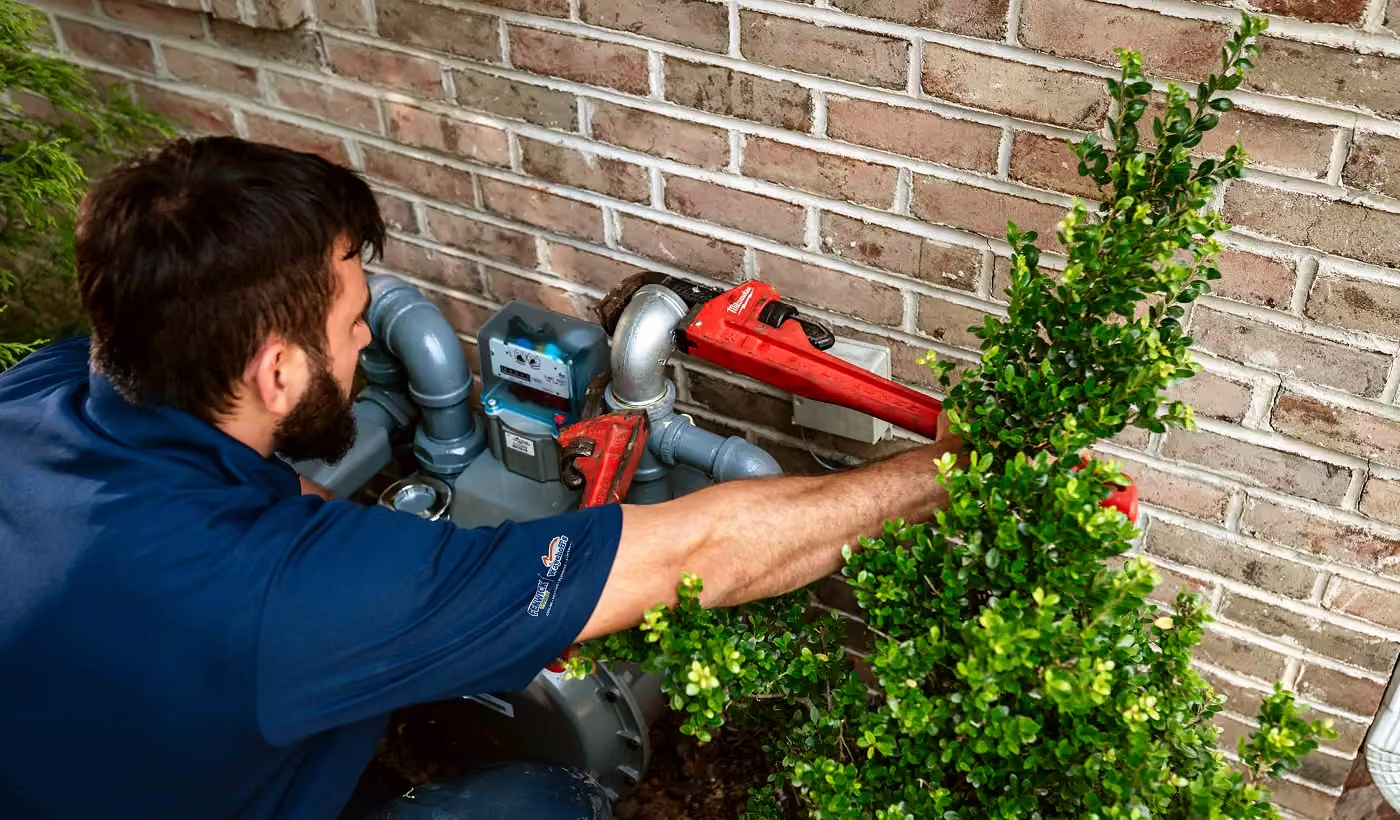
Professional gas line & gas red tag services can help address concerns involving gas connections, suspected leaks, unsafe equipment, or systems that have been flagged for safety reasons. Requirements and procedures vary by location, so work should be completed by appropriately licensed or qualified professionals who understand the applicable codes.
If you smell gas or suspect a leak, leave the area immediately. Don’t operate electrical switches, light matches, or use anything that could create a spark. Once you’re safely away, contact the local gas utility or emergency service according to local guidance. Don’t return until the responsible professionals say it’s safe.
A red tag may indicate that an appliance or gas installation has been identified as unsafe or unsuitable for continued operation. Rather than ignoring the notice or attempting to remove the problem yourself, ask the qualified technician to explain what needs correction and what steps are required before the equipment can be used again.
Drains and Fixtures Deserve Regular Care
A slow drain can seem like a small inconvenience, especially when water eventually disappears. Still, recurring blockages often point to a buildup that needs more than a quick fix. Hair, grease, soap residue, food particles, and other debris can gradually narrow the passage inside a drainpipe.
Simple habits can help. Use a drain cover in the shower, scrape food scraps into the trash before washing dishes, and avoid pouring cooking oil or grease down the sink. These measures won’t prevent every blockage, but they reduce the amount of material entering the plumbing system.
If a drain repeatedly backs up, several fixtures begin draining slowly, or unpleasant odors persist, arrange an inspection. Chemical drain cleaners may not solve the underlying issue and can damage some materials when used incorrectly. A plumber can determine whether the blockage is local or connected to a larger drainage problem.
Professional drain cleaning & fixture upgrades can also improve the usability of kitchens and bathrooms. Replacing a worn faucet, installing a more practical shower fixture, or addressing a poorly draining sink can make everyday routines easier. Before upgrading, consider water efficiency, compatibility with existing connections, and the long-term availability of replacement parts.
It’s sensible to discuss the scope of work before installation begins. A fixture that looks perfect in a showroom may not suit the available space or the existing plumbing arrangement. Taking measurements and confirming connection requirements first can save an unnecessary return visit.
Protecting the Quality and Reliability of Your Water Supply
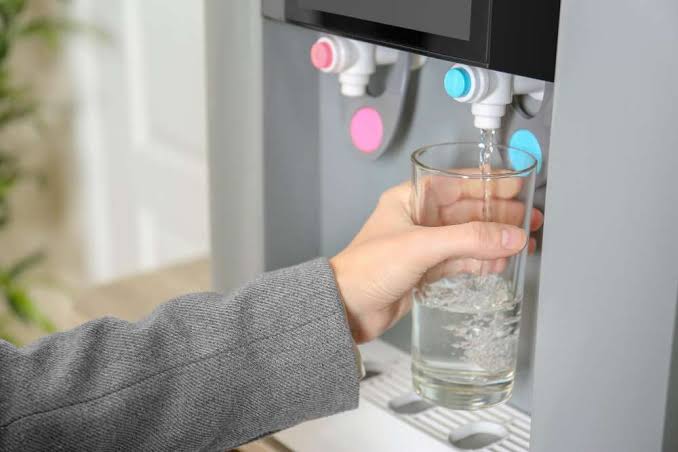
Clean water is essential for drinking, cooking, bathing, and household cleaning. Most people assume the water coming from their taps will remain consistent, but changes in appearance, taste, smell, or pressure should not be dismissed automatically.
A reliable water supply depends on several factors, including the condition of the incoming pipework, functioning valves, sound connections, and the quality of the water delivered to the property. In some areas, mineral content can lead to scale buildup in fixtures and appliances. In others, aging pipes or supply interruptions may require further investigation.
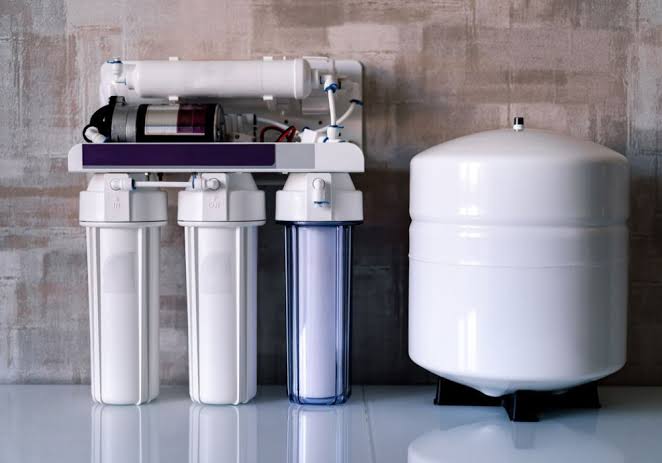
If your water suddenly appears discolored, has an unusual odor, or changes noticeably in taste, contact your water provider or a qualified plumbing professional to understand the possible cause. Follow local public health guidance if contamination is suspected. Don’t assume that boiling water or installing a household filter will resolve every possible water-quality concern; the appropriate response depends on the issue.
Leaks also deserve attention because they can waste water even when the flow is small. If the water meter continues moving while all taps and water-using appliances are turned off, a leak may be present. This isn’t definitive proof, but it gives you a useful reason to arrange a closer inspection.
Planning Repairs Without Unnecessary Stress
Plumbing repairs can be inconvenient, particularly when they involve a bathroom, kitchen, or water heater. Before approving a larger job, request a written estimate explaining the proposed work, materials, labor, and any likely additional costs. Ask whether the repair is expected to be temporary or whether it should provide a longer-term solution.
The cheapest quote isn’t necessarily the best value. A professional who explains the cause of a problem and outlines practical options may help you avoid repeated repairs. Check the relevant licensing and insurance requirements in your area, and keep invoices and warranty documents for future reference.
It also helps to know where your main water shutoff valve is located. During a burst pipe or major leak, shutting off the supply quickly may limit damage while professional assistance is arranged. Make sure other household members know where the valve is, too.
Building Habits That Keep Plumbing Working
No plumbing system lasts forever, but everyday care can help it remain dependable. Watch for leaks, keep unsuitable waste out of drains, follow the manufacturer’s maintenance guidance for appliances, and address recurring problems before they become major disruptions.
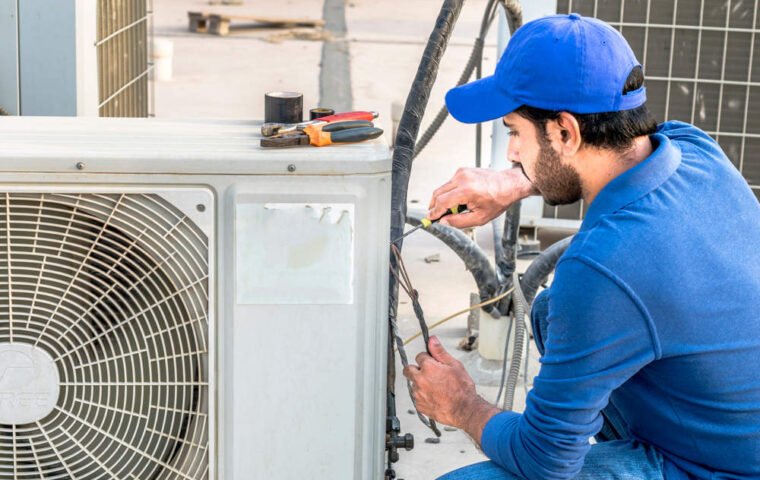
Most importantly, know when to call a professional. Simple maintenance is one thing; gas work, major pipe repairs, sewer problems, and persistent leaks require appropriate training and equipment. Getting the right help protects both the property and the people living in it.
A well-maintained plumbing system doesn’t demand much attention when everything is working as it should. With sensible habits, timely inspections, and informed repair decisions, you can keep your home safer, reduce avoidable waste, and spend less time worrying about what might be happening behind the walls.