Water plays a quiet but important role in everyday life. We use it to prepare meals, make coffee, fill bottles before leaving home, and keep ourselves hydrated throughout the day. Yet most of us don’t think much about the water we drink until its taste changes or we begin wondering whether it suits our needs. With so many treatment products available, choosing the right one can feel surprisingly complicated.
Some systems focus on taste, others reduce particular dissolved substances, and some simply make drinking water more convenient. The best choice depends on your water source, household habits, and what you actually want to improve. Before spending money on new equipment, it helps to understand what the different options can—and cannot—do.
Start With Your Water and Your Daily Habits
Not every household has the same water concerns. One family may struggle with hard water that leaves white deposits on faucets, while another may dislike the chlorine taste in its municipal supply. A home using well water might need testing for specific minerals or microbiological concerns.
These differences matter because water treatment isn’t a one-size-fits-all process. A product that improves taste may not reduce the particular contaminant you’re concerned about. Likewise, a device designed to reduce dissolved minerals may not address bacteria or other water-quality problems.
Begin by identifying your water source and reviewing any available water-quality information. If you have concerns about safety, arrange appropriate testing before purchasing equipment. Municipal water customers can start with their supplier’s published report, while private well owners should follow local recommendations for regular testing.
Your routine matters, too. Think about how much drinking water your household uses, whether several people fill bottles throughout the day, and whether you want treatment at one kitchen tap or throughout the property. These practical details help narrow the choices.
Is Alkaline Water Right for You?
You’ve probably seen bottled water or home systems marketed around pH levels and mineral content. Some products are designed to change water’s acidity or add selected minerals, which is why alkaline & ionized water has attracted attention among people exploring different drinking-water options.
Alkaline water generally has a higher pH than neutral water. Ionized water is produced by equipment that uses an electrical process to separate water into streams with different pH characteristics. Depending on the product, minerals may also influence the final composition.
The marketing surrounding these products can be persuasive, particularly when claims promise better hydration, improved energy, or broad health benefits. However, evidence for many of these claims remains limited, and alkaline water should not be assumed to offer health advantages over ordinary safe drinking water. The body also regulates blood pH within a narrow range through normal physiological processes.
For most households, the first priority should be reliable, safe drinking water rather than a particular pH number. If you enjoy the taste of alkaline water, that preference may influence your choice, but it’s sensible to compare the cost, maintenance needs, and evidence behind a product before investing in one.
People with medical conditions or special dietary requirements should discuss significant changes in their water choices with a qualified healthcare professional rather than relying on product marketing.
Understanding Deionization Systems
Another technology you may encounter when researching water treatment is deionization. Unlike systems designed mainly to improve taste, deionization focuses on removing dissolved ions from water.
In this process, deionization systems typically use ion-exchange resins to remove positively and negatively charged dissolved substances. The resulting water can have a very low ionic content, making the technology useful in laboratories, manufacturing, certain commercial applications, and specialised equipment processes.
Deionized water is not automatically the best choice for every drinking-water application. Removing ions doesn’t necessarily eliminate every type of contaminant, such as microorganisms or uncharged organic compounds. The final water quality depends on the system design, pretreatment, operating conditions, and maintenance.
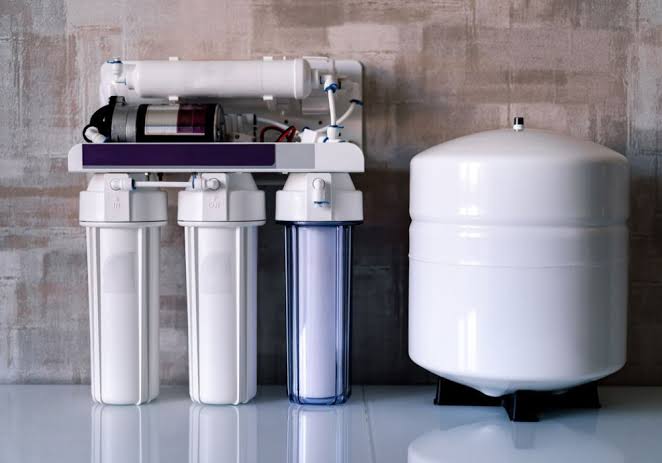
For households, deionization is generally worth considering only when there is a clear reason to use it. If your main concern is mineral scale, a conventional water softener may be more appropriate. If you want to reduce certain dissolved substances in drinking water, a properly certified reverse osmosis system may be a more practical option, depending on your test results.
The key is to match the technology to the intended use. More advanced equipment doesn’t automatically mean better drinking water, especially when the system is designed for a specialised purpose.
Making Drinking Water More Convenient
Water quality is only part of the picture. Convenience also affects how consistently people drink water throughout the day. At home, in an office, or in a shared workspace, having an accessible supply can make a noticeable difference to daily routines.
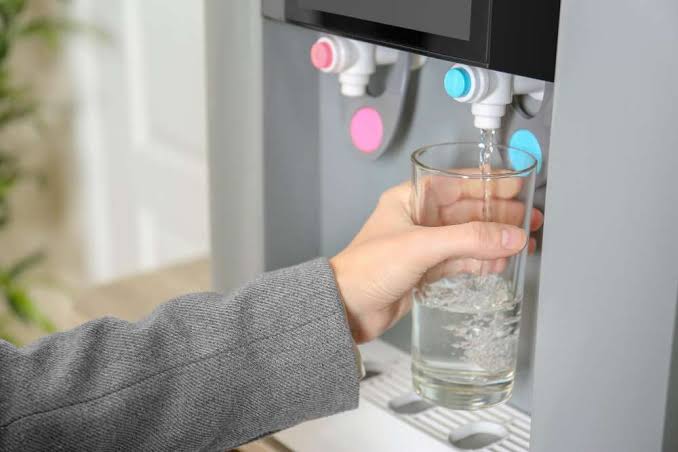
For many settings, water coolers & dispensers provide a straightforward way to make drinking water available without repeatedly opening bottles or filling containers at a kitchen sink. Depending on the model, these units may dispense room-temperature, chilled, or hot water. Some connect directly to a water line, while others use replaceable bottles.
The right arrangement depends on the number of people using the unit and how frequently it will be used. A small household may need only a compact countertop dispenser, whereas a busy workplace may require a higher-capacity floor-standing model.
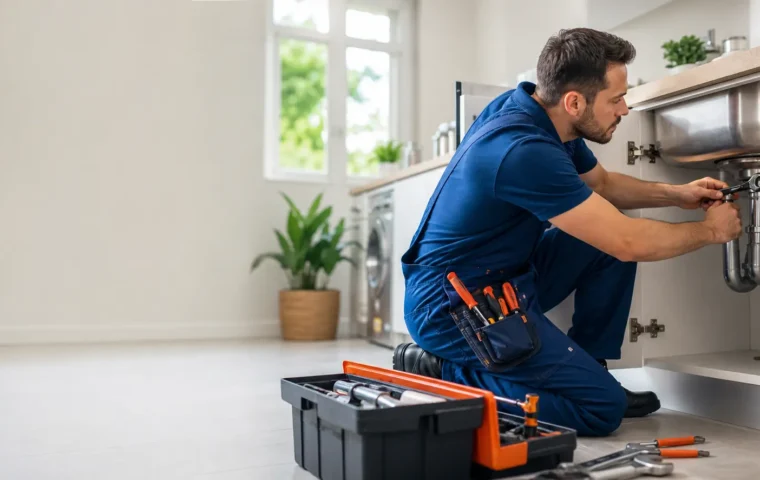
Before buying one, check the dispensing rate, temperature options, available space, and cleaning requirements. Bottle-fed models require regular deliveries or replacements, while plumbed-in units may need filtration and professional installation. Neither type is maintenance-free.
Hygiene deserves attention as well. Follow the manufacturer’s cleaning instructions, keep dispensing areas clean, and replace filters when recommended. A convenient dispenser should make access to water easier without creating extra work or introducing avoidable maintenance problems.
Compare Costs Beyond the Purchase Price
It’s easy to focus on the price printed on a product page, but the initial cost rarely tells the whole story. Filters need replacement, specialised equipment may require servicing, and some systems use electricity or generate wastewater. Over several years, these expenses can become a significant part of ownership.
Ask for clear information about replacement parts, service intervals, installation charges, and warranty coverage. If a product requires proprietary cartridges, check their availability and ongoing price before committing. A system that is affordable today may become inconvenient if replacement supplies are difficult to find.
Consider water usage and capacity, too. A system that cannot keep up with your household’s demand may leave you waiting for water at the busiest times. Conversely, a large unit may be unnecessary for a small household.
It helps to compare options based on their actual purpose and long-term practicality rather than the number of features advertised. Simple equipment that addresses a clearly identified need may be more useful than a complex system with benefits you don’t require.
Keep Your System Working Properly
Even a well-chosen system needs regular care. Filters can become exhausted, ion-exchange materials have a limited capacity, and dispensers may need periodic cleaning. Ignoring maintenance can reduce performance and, in some cases, affect water quality.
Keep a record of installation dates, filter changes, and service visits. Follow the manufacturer’s instructions and investigate unexpected changes in taste, odour, or water flow. If your water source changes or testing identifies a new concern, reassess whether the existing system remains suitable.
Choose Based on What Your Home Actually Needs
There is no single water system that suits every household. Alkaline water products, deionization equipment, and dispensers serve different purposes, and understanding those differences makes choosing easier.
Start with reliable information about your water, consider your daily habits, and compare the complete cost of ownership. Ask questions about performance, limitations, and maintenance before making a decision. You don’t need the most complicated equipment available; you need a solution that fits your circumstances and does its intended job reliably.
Ultimately, good water decisions come from understanding the problem rather than following a trend. With a little research and sensible maintenance, you can choose an approach that makes everyday hydration safer, simpler, and more convenient.