Business service
Moving to Chennai? How to Make Your Relocation Simpler and Less Stressful
Moving to a new city is one of those experiences that looks simple on paper and…

Moving to a new city is one of those experiences that looks simple on paper and…
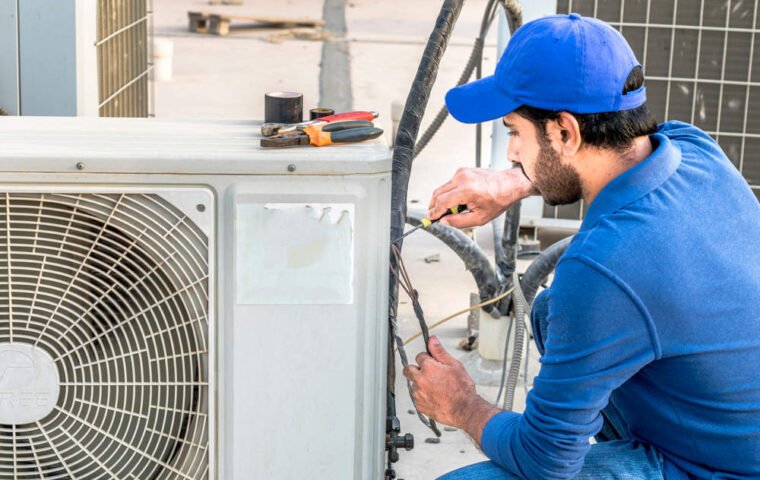
Your air conditioning system gets a workout in Lumberton, TX, especially once the hot weather settles in. With the system running regularly, small changes can show up before you have a bigger problem on your hands. The air may not feel as cool as it normally does, or you might start hearing a sound you have not noticed before. Those changes are worth checking out. Here are a few signs that you may need air conditioning repair in Lumberton, TX, and why catching them early matters in a climate where heat and humidity put extra strain on every component. What Are the Signs Your AC Needs Repair? AC problems do not always announce themselves with a complete breakdown. Sometimes, you will notice that the system is not cooling the house like it normally does or that the airflow has changed. Warm Air Coming Through the Vents If your AC is running but warm air is coming through the vents, it is not cooling the way it should. The thermostat could be set wrong, but one of the more common causes is a refrigerant leak. A low refrigerant charge is not a matter of topping the system up. It means there is a leak somewhere that has to be located and repaired before the system can hold a proper charge. Other possibilities include a failing compressor or a wiring fault. Check the thermostat settings first. If cooling is already selected and warm air is still coming out, a technician will need to inspect the system and find the root cause. Weak or Uneven Airflow Sometimes the AC is running, but the air coming through the vents feels noticeably weaker than usual. A dirty filter is an easy thing to check first. If the filter is clean, the problem could be somewhere in the ductwork, the blower motor, or the air handler itself. Also, pay attention to where the weak airflow is happening. If it is only in one or two rooms, the ductwork may be the issue. If the airflow is weak throughout the house, there may be a problem with the AC itself. The System Keeps Cycling On and Off Does your AC start up, run for a short time, shut off, and then start again soon after? That is known as short cycling. Thermostat problems, restricted airflow, an incorrectly sized system, and mechanical issues can all cause short cycling. A failing capacitor is another common trigger. It affects the motor’s ability to start and run properly. If the AC keeps doing this, have someone check it rather than letting it continue. Unusual Sounds During Operation You know what your AC normally sounds like. If you suddenly hear grinding, rattling, buzzing, squealing, or banging, do not ignore the change. A technician can check the noise and find out whether a loose part, electrical issue, or worn component is behind it. Water or Moisture Around the System Water around your indoor air handler or dripping from somewhere is normally not a sign something is off. The most common cause is a clogged condensate drain line, which allows water to back up and overflow the drip pan. A frozen evaporator coil is another possibility. Ice builds up on the coil, and when it melts, the water has nowhere to go. Do not keep running the system if you notice a visible leak. Turn it off and have it inspected. Why Humidity Makes This Worse in Southeast Texas Lumberton sits in a part of Southeast Texas where high humidity is present for much of the year, not just during peak summer heat. Your air conditioning system is responsible for removing moisture from the air as well as lowering the temperature. When any component underperforms, the system may lose some of the dehumidification capacity. The issues may include a partially blocked condensate drain, a low refrigerant charge, or a struggling blower. The house may feel clammy or stuffy even when the thermostat reads a normal temperature. This is a signal the system is working harder than it should be and may need attention before conditions get worse.…
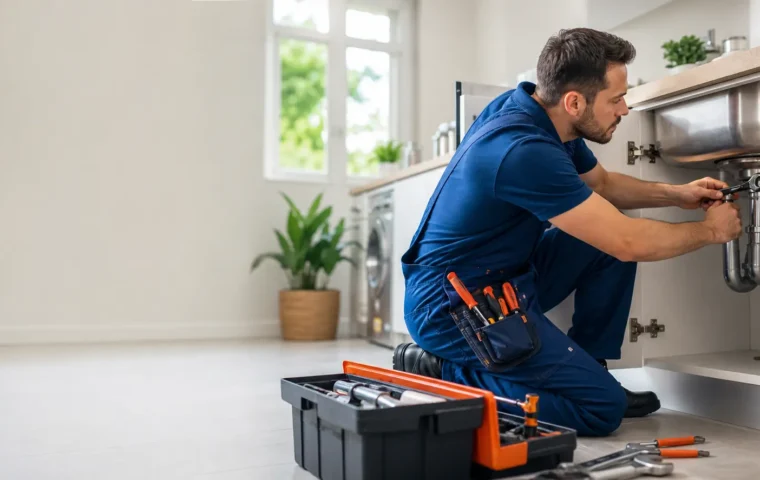
A plumbing problem can go from inconvenient to destructive in a matter of minutes. Burst pipes, overflowing toilets, sewage backup, or even a water shortage can have an impact on floors, walls, fixtures, and personal items very soon. Identifying when to call the emergency plumber in Garland, TX, will help reduce the problem from escalating into an expensive repair. Pooling water around the fixture might suggest that there is a leak that requires professional intervention. This guide will outline the types of plumbing emergencies that require urgent attention, the potential dangers involved, and what can be done by homeowners in the meantime. Warning Signs That Require Immediate Action Plumbing problems don’t always announce themselves loudly. Sometimes the clues are subtle until they aren’t. Watch for these red flags: If you smell gas near any plumbing fixture or water heater, do not attempt to shut off the appliance yourself. Leave the area immediately and call the fire department or your gas provider before reaching out to a plumber. None of these signs improve with patience. A cracked pipe left unattended overnight can soak into the drywall, warp flooring, and potentially trigger mold growth in a matter of days. Why Garland Homes Face Unique Plumbing Stress The weather here isn’t gentle on plumbing systems. Long stretches of summer heat push water heaters and irrigation lines harder than most manufacturers intend, and the occasional winter freeze catches older pipes completely unprepared. Add in the number of homes built before modern plumbing codes existed, and it becomes clear why local issues surface with little warning. North Texas is known for its expansive clay soil, which shifts with moisture changes and can place significant stress on underground lines. Combined with the area’s hard water mineral content, these conditions make pipe corrosion and joint deterioration a common concern for Garland homeowners on slab foundations. A plumber who works regularly in this area recognizes these patterns almost instantly. They have likely repaired the exact same failure in a house two streets over last month, which means less guessing and a faster fix. Important safety note: If you smell gas near your water heater or any plumbing fixture, do not attempt to turn off the water heater yourself. Evacuate the area immediately and call the fire department or your gas provider before contacting a plumber. Emergency or Not? How to Tell the Difference Not everything that goes wrong with your plumbing needs a midnight phone call, and learning to separate genuine emergencies from minor annoyances saves both money and stress. Call right away for: These can usually wait until business hours: If you are genuinely torn between the two lists, call anyway. A short conversation with a plumber often settles the question faster than guessing on your own. Steps to Take Before the Plumber Shows Up…
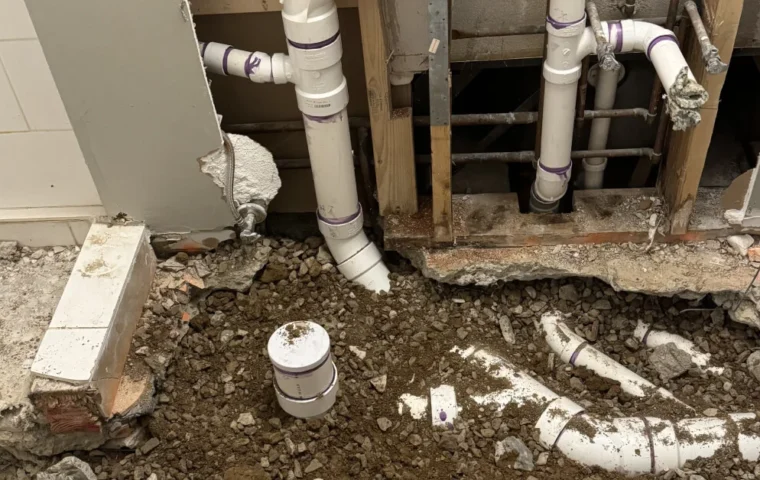
A finished basement adds valuable square footage, but the plumbing system dictates whether that space remains functional for years. For Omaha homeowners, planning pipe routes, drain slopes, and below-grade bathroom installations requires far more foresight than standard upstairs renovations. Getting this right from the start means fewer surprises during construction and fewer repairs after move-in. Working with an experienced plumbing contractor in Omaha, NE helps homeowners avoid costly rework and keeps the project aligned with local building codes. Why Basement Plumbing Planning Comes First Basement finishing projects usually involve framing, electrical, insulation, and drywall, but plumbing decisions need to happen before any of that begins. Pipes run beneath the concrete slab or through the ceiling joists, and once framing goes up, changing a drain line location becomes far more expensive. 1. Mapping Existing Lines A licensed plumber will locate the main sewer line, water supply, and any existing floor drains before finalizing the layout. This step confirms what already exists and what needs to be added. 2. Planning New Fixtures If the plan includes a bathroom, wet bar, or laundry hookup, the contractor will calculate the necessary slope for drainage. They will also determine whether a sewage ejector pump is required, which may be necessary when basement fixtures sit below the level of the building sewer. A sewage ejector or solids-handling sewage pump lifts wastewater containing solids into the building drainage system. A grinder pump is different because it uses a cutting mechanism to macerate solids into a slurry before pumping them through the discharge line. 3. Coordinating With Other Trades Plumbing rough-in has to happen before framing closes the walls, so scheduling matters. A contractor who coordinates directly with the general contractor or framer keeps the timeline realistic. Key Plumbing Elements to Discuss With Your Contractor Homeowners planning a basement bathroom, kitchenette or utility room should raise a few specific questions during the consultation: Permits, Codes and Local Considerations Omaha’s residential construction requirements currently include the 2018 International Residential Code as amended by the Omaha Municipal Code. The city’s code specifically requires a plumbing permit before plumbing work begins, with limited exceptions for minor repairs. For a basement finishing project, homeowners should also confirm the required building and plumbing permits before work begins. A basement bathroom that adds or alters plumbing requires the plumbing work to be permitted, and the broader basement finish may require a building permit as well. Omaha’s permitting process is intended to verify compliance through plan review and inspections. 1. Backflow Prevention…
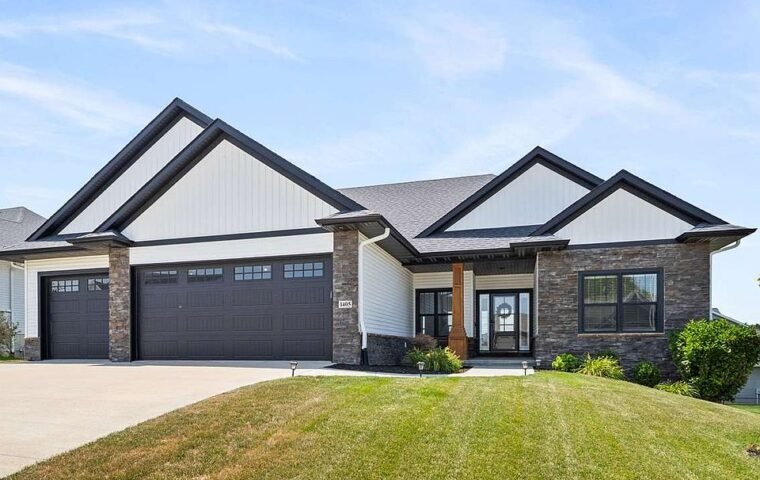
Building a custom home puts you in full control of the design and functionality. You get to shape every room, every finish, and every detail around the way your household actually functions, rather than adapting your routines to a generic floor plan. However, the volume of available decisions can initially feel overwhelming. Layouts, materials, fixtures, and structural features: the list grows fast. Homeowners who lean on experienced custom home builders in Tiffin, IA, tend to move through these decisions with a lot more clarity and confidence. Good custom homes do more than photograph well on move-in day. They support your daily routines, hold up over time, and give you room to grow. 1. Start With How You Want to Live Before selecting countertop colors or cabinet hardware, evaluate how your family navigates the space daily. Do you host often? Your kitchen and main living space probably deserve the most square footage and attention. Do you work from home? A quiet office with decent natural light stops being a luxury pretty quickly. Families with kids typically need flexible bedrooms and storage built into the plan from the start, not added as an afterthought. 2. Focus on Function Before Appearance Aesthetic design has its place, but floor plan decisions carry far more weight in the long term. Think about how traffic flows through the home, where furniture realistically fits, and how rooms connect with each other day to day. A well-thought-out layout makes a home easier to live in now and easier to adapt as things change down the road. 3. Choose Materials That Support Long-Term Value A custom home is a real financial commitment, and that makes material selection worth taking seriously. Flooring, windows, insulation, cabinetry, and exterior finishes should hold up well beyond the first few years. Compromising on high-use materials often leads to visible wear and maintenance issues much sooner than anticipated. 4. Balance Style With Performance Design trends evolve. What appears contemporary today may feel dated within a decade. Finishes that reflect your personal taste while standing up to everyday household demands tend to age better than anything chosen purely for the moment. Builders with real experience can walk you through the trade-offs and flag where spending more upfront actually pays off over time. 5. Make Energy Efficiency Part of the Plan…
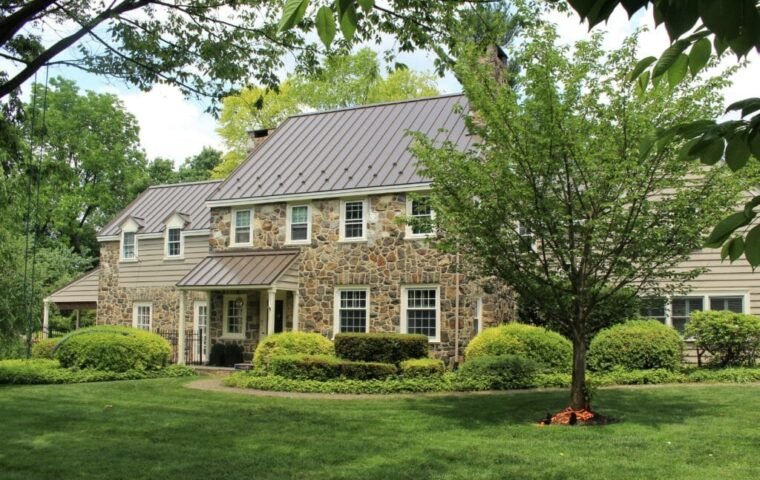
Choosing a new roof is not something most homeowners do very often. When the time comes, it is worth looking beyond the price tag and thinking about how the roof will handle local weather and how long it is likely to last. Metal roofing has become a popular option for homeowners who want something different from traditional shingles. But is metal roofing in Lancaster, PA, a good fit for local homes? Here are a few things worth knowing before making a decision. What Makes Metal Roofing a Good Option for Lancaster, PA Homes? Metal roofing has become an option for homeowners who want something that can handle local weather and last for many years. There are a few reasons it may work well for homes in the Lancaster, PA area. 1. It Can Handle Changing Weather Lancaster, PA homes deal with plenty of weather changes throughout the year. Summer heat, heavy rain, snow, ice, and strong winds can all put stress on a roof. Metal roofing is built to handle these conditions when it is installed correctly. The panels do not absorb water, and the material does not rot or crack from moisture in the same way that some other roofing materials can. Despite a common concern, metal roofing does not make a home more vulnerable to lightning. Snow is another consideration in Pennsylvania. Snow can slide quickly from the smooth surface of a metal roof as temperatures change. Snow guards may therefore be appropriate above entrances, walkways, patios, or other areas where falling snow could create a hazard. 2. It Has a Long Service Life One reason homeowners look at metal roofing is its lifespan. That can make a difference for homeowners who plan to stay in their house for many years. Metal roofing is available in different gauges, and the appropriate thickness depends on the panel system, structural requirements, and installation. Finishes matter as well. For example, a PVDF coating can provide strong resistance to fading, chalking, and weather exposure. 3. It Requires Relatively Little Maintenance No roof is completely maintenance-free. Leaves, branches, damaged flashing, loose fasteners, and other issues still need attention. Metal roofing, however, does not require the same type of upkeep as some roofing materials. Regular inspections can still catch small problems before they turn into major concerns. Metal can sound louder than asphalt shingles when rain or hail hits the surface, particularly in an attic or room without adequate insulation. What Should You Think About Before Choosing Metal Roofing? There are a few things to think about before you choose metal roofing. The cost, appearance, and installation process can all affect whether it is right for your home. 1. The Initial Cost Can Be Higher The initial investment for metal roofing can be higher than some other roofing options, depending on the material, panel style, finish, and installation requirements. This can make the initial investment harder for some homeowners. The longer service life is part of the reason people choose metal, but your budget still needs to work with the project. It is worth comparing the initial cost with how long you expect to remain in the home. Some metal roofing products offer strong impact resistance, which may be relevant to insurance considerations depending on the roof system and policy. A well-maintained metal roof can also appeal to buyers and potentially support resale value. 2. The Look May Not Suit Every House…
Guest posting can be a practical part of a wider digital marketing strategy. A relevant editorial…
If your food seems lacklustre and you want your family to truly savour every meal, spice…
There’s a strange thing about home repairs and improvements: they rarely happen when your budget is…
There’s something comforting about having good drinking water right at the kitchen sink. No carrying heavy…