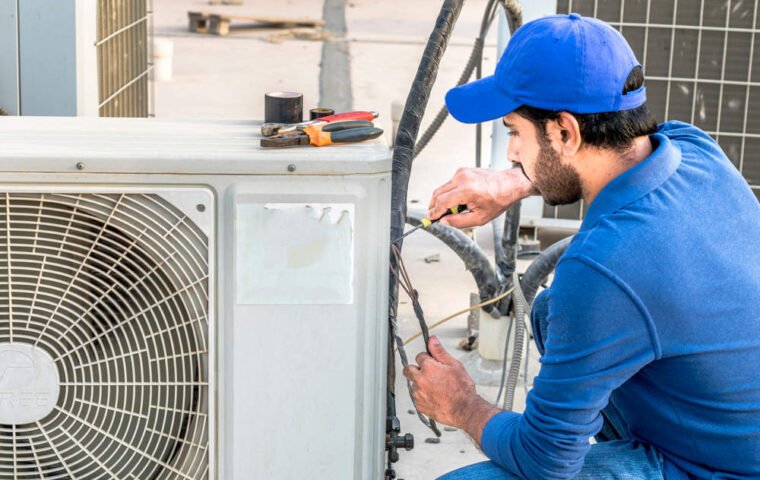
Signs That Suggest Your Air Conditioner in Lumberton, TX, Needs Repair
Your air conditioning system gets a workout in Lumberton, TX, especially once the hot weather settles in. With the system running regularly, small changes can show up before you have a bigger problem on your hands. The air may not feel as cool as it normally does, or you might start hearing a sound you have not noticed before. Those changes are worth checking out. Here are a few signs that you may need air conditioning repair in Lumberton, TX, and why catching them early matters in a climate where heat and humidity put extra strain on every component. What Are the Signs Your AC Needs Repair? AC problems do not always announce themselves with a complete breakdown. Sometimes, you will notice that the system is not cooling the house like it normally does or that the airflow has changed. Warm Air Coming Through the Vents If your AC is running but warm air is coming through the vents, it is not cooling the way it should. The thermostat could be set wrong, but one of the more common causes is a refrigerant leak. A low refrigerant charge is not a matter of topping the system up. It means there is a leak somewhere that has to be located and repaired before the system can hold a proper charge. Other possibilities include a failing compressor or a wiring fault. Check the thermostat settings first. If cooling is already selected and warm air is still coming out, a technician will need to inspect the system and find the root cause. Weak or Uneven Airflow Sometimes the AC is running, but the air coming through the vents feels noticeably weaker than usual. A dirty filter is an easy thing to check first. If the filter is clean, the problem could be somewhere in the ductwork, the blower motor, or the air handler itself. Also, pay attention to where the weak airflow is happening. If it is only in one or two rooms, the ductwork may be the issue. If the airflow is weak throughout the house, there may be a problem with the AC itself. The System Keeps Cycling On and Off Does your AC start up, run for a short time, shut off, and then start again soon after? That is known as short cycling. Thermostat problems, restricted airflow, an incorrectly sized system, and mechanical issues can all cause short cycling. A failing capacitor is another common trigger. It affects the motor’s ability to start and run properly. If the AC keeps doing this, have someone check it rather than letting it continue. Unusual Sounds During Operation You know what your AC normally sounds like. If you suddenly hear grinding, rattling, buzzing, squealing, or banging, do not ignore the change. A technician can check the noise and find out whether a loose part, electrical issue, or worn component is behind it. Water or Moisture Around the System Water around your indoor air handler or dripping from somewhere is normally not a sign something is off. The most common cause is a clogged condensate drain line, which allows water to back up and overflow the drip pan. A frozen evaporator coil is another possibility. Ice builds up on the coil, and when it melts, the water has nowhere to go. Do not keep running the system if you notice a visible leak. Turn it off and have it inspected. Why Humidity Makes This Worse in Southeast Texas Lumberton sits in a part of Southeast Texas where high humidity is present for much of the year, not just during peak summer heat. Your air conditioning system is responsible for removing moisture from the air as well as lowering the temperature. When any component underperforms, the system may lose some of the dehumidification capacity. The issues may include a partially blocked condensate drain, a low refrigerant charge, or a struggling blower. The house may feel clammy or stuffy even when the thermostat reads a normal temperature. This is a signal the system is working harder than it should be and may need attention before conditions get worse.…