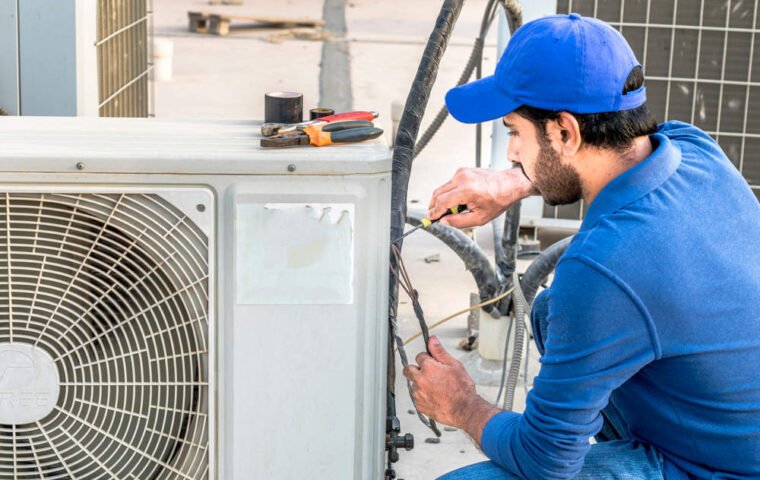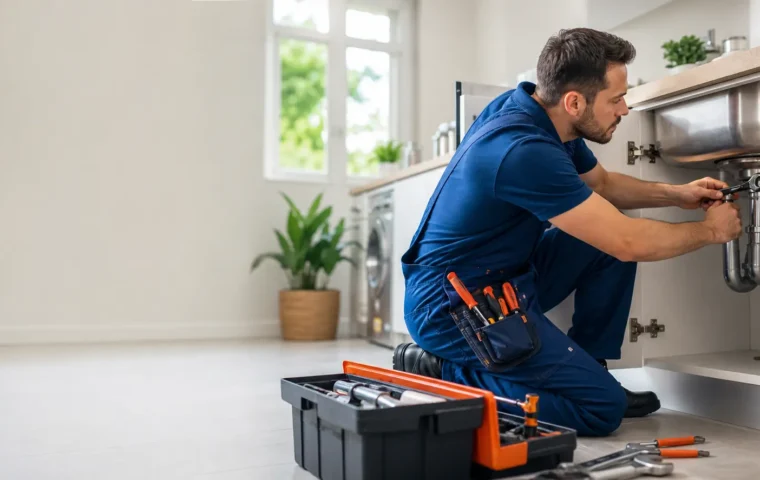
There’s a strange thing about home repairs and improvements: they rarely happen when your budget is feeling generous. The water heater gives up in the middle of a busy month. The heating or cooling system starts acting unreliable just when the weather gets uncomfortable. Or perhaps a long-planned upgrade finally becomes necessary, but the price tag makes you pause.
That’s where financing can make a real difference. Instead of putting off an important project because the entire cost has to come out of your savings today, financing can spread the expense over time. For many homeowners, that breathing room is what turns a stressful situation into a manageable one.
When a Home Repair Can’t Wait
Some home projects are easy to postpone. Repainting a bedroom, replacing an old cabinet, or upgrading a light fixture can probably wait another few months.
Others? Not so much.
A failing HVAC system, broken water heater, serious plumbing issue, or urgent electrical repair can quickly affect your family’s comfort and daily routine. Waiting too long may even allow a small problem to become a much larger and more expensive one.
In these situations, homeowners often find themselves balancing two concerns: getting the work completed properly and figuring out how to pay for it. A good financing program can help with the second part without forcing someone to drain their emergency savings all at once.
Why Payment Flexibility Matters
Not every household manages money in exactly the same way. Some people prefer paying a larger amount quickly, while others are more comfortable with predictable monthly payments.
That’s why flexible payment plans can be useful. They allow homeowners to choose a repayment approach that better fits their circumstances, depending on the lender, contractor, credit requirements, and available terms.
The key word here is “flexible.” A financing option shouldn’t simply make a project possible; it should also be understandable. Before agreeing to anything, homeowners should look at the monthly payment, total repayment amount, loan term, fees, and any other conditions.
A lower monthly payment might look attractive at first, but a longer repayment period can sometimes mean paying more overall. It’s worth reading the fine print. Really worth it.
Understanding 0% Interest Offers
The phrase “0% interest” certainly catches attention, and for good reason. If a financing offer genuinely carries no interest for the qualifying period, it can potentially reduce the overall cost of a project.
Still, homeowners shouldn’t stop reading after seeing that headline. 0% interest options may come with specific eligibility requirements, promotional periods, minimum payments, or other terms. Some offers may also require the balance to be paid within a particular timeframe.
So, ask questions before signing. Is the promotional rate temporary? What happens after the promotional period? Are there setup fees? Is there a penalty for paying early?
A reputable contractor or financing provider should be willing to explain these details clearly. If the answer sounds like a riddle, take a step back.
Financing Can Help Protect Emergency Savings
An emergency fund exists for exactly what its name suggests: emergencies. Using most of that money on a sudden repair can leave a homeowner vulnerable when another unexpected expense arrives.
Imagine spending nearly all your savings replacing an essential heating and cooling system. A few weeks later, your car needs major repairs. Suddenly, the financial pressure becomes much heavier.
Financing may offer another route. Rather than paying the full project cost immediately, a homeowner may be able to preserve part of their savings while making scheduled payments.
That doesn’t mean financing is always the best answer. It simply gives homeowners another tool to consider.
Speed Matters During Urgent Repairs
Nobody wants to spend days without reliable heating, cooling, hot water, or essential plumbing. When a serious home system fails, quick action can make life considerably easier.
In some situations, financing can help a homeowner approve necessary work without waiting until they’ve saved enough cash. Depending on the contractor, project, equipment availability, and financing approval, certain replacements may even be completed in one day.
Of course, “one day” shouldn’t be treated as a guarantee. Complicated installations, unexpected structural issues, permits, weather, or equipment delays can change the schedule. The important thing is to ask the contractor what the realistic timeline looks like before work begins.
Ask the Right Questions Before Financing
A little homework can prevent unpleasant surprises later.
Before accepting a financing offer, ask:
- What is the total amount being financed?
- How much will the monthly payment be?
- How long will the repayment period last?
- Is the interest rate fixed or promotional?
- Are there application or administrative fees?
- What happens when a promotional period ends?
- Can the balance be paid early?
- Are there penalties or additional charges?
- What credit requirements apply?
You don’t need to be a financial expert. You just need to understand what you’re agreeing to.
Choose the Contractor as Carefully as the Financing
Financing is only one part of the decision. The quality of the actual work matters just as much.
A cheap installation can become expensive if it’s poorly done. Look for experienced professionals, appropriate licensing where required, clear warranties, transparent estimates, and a track record of dependable service.
It’s also smart to compare the proposed equipment or materials. If you’re replacing an HVAC system, for example, ask about efficiency ratings, expected operating costs, maintenance requirements, and warranty coverage.
The goal isn’t simply to find the lowest price. It’s to find a solution that makes sense over the long run.
The Bigger Picture
Home improvement financing isn’t about making people spend money they don’t have. Used responsibly, it can provide another way to handle necessary repairs, replacements, and upgrades without putting immediate pressure on household cash flow.
Still, every financial situation is different. Homeowners should compare offers, understand the terms, and make sure the monthly payment fits comfortably within their budget.
A home is already a major investment. When something goes wrong, the last thing you need is another headache layered on top of the repair itself. Clear financing terms, realistic project timelines, and trustworthy workmanship can make the process feel a whole lot less overwhelming.
Sometimes, the smartest improvement isn’t just what you install in your home. It’s finding a practical way to pay for it without losing your financial footing.