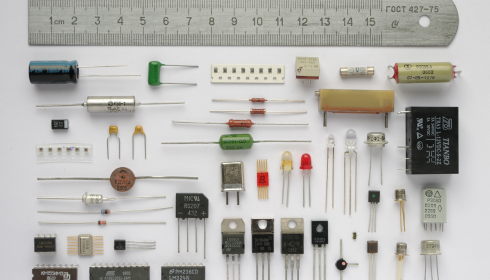
In the world of technology, electronics components play a critical role in the design, development, and functioning of all modern electronic devices. From smartphones and laptops to industrial machines and medical equipment, every electronic system depends on the right combination of components to perform effectively. This article explores what electronic components are, the types available, and why understanding them is essential for anyone interested in electronics.
What Are Electronics Components?
Electronic components are individual devices or parts used in an electronic system to control the flow of electricity. These components are essential to building circuits that process signals, provide power, and perform specific tasks. They are categorized into two broad types: active components and passive components.
Active vs. Passive Components
Active components are those that can control the flow of electricity and amplify signals. Examples include transistors, integrated circuits (ICs), and diodes. Passive components, on the other hand, do not generate energy but instead manage the flow of energy through resistance, capacitance, or inductance. Resistors, capacitors, and inductors fall under this category.
Common Types of Electronics Components
- Resistors: These limit the amount of current flowing in a circuit. They are fundamental in ensuring that devices operate within safe electrical parameters.
- Capacitors: Capacitors store and release electrical energy. They are used in timing applications, filtering signals, and power supply systems.
- Inductors: These components store energy in a magnetic field when electric current flows through them. Inductors are often found in transformers and filters.
- Diodes: Diodes allow current to flow in one direction only, making them crucial for converting alternating current (AC) to direct current (DC).
- Transistors: Transistors act as switches or amplifiers. They are a key component in most electronic devices and are found in nearly every electronic circuit.
- Integrated Circuits (ICs): ICs are tiny chips that can contain millions of transistors, resistors, and other components. They form the brains of computers, smartphones, and many other digital devices.
- LEDs (Light Emitting Diodes): LEDs emit light when electricity passes through them. They are used for displays, indicators, and lighting solutions.
- Switches: These control the on-off states of circuits and are essential for manual control in electronic systems.
- Connectors: Connectors link different components together and ensure smooth transmission of signals or power.
Importance of Quality Components
Using high-quality electronics components ensures reliability, safety, and longevity of electronic devices. Inferior components can lead to system failures, overheating, or even damage to expensive equipment. Engineers and technicians must carefully select components based on ratings, specifications, and the demands of the circuit design.
Where Are Electronics Components Used?
These components are everywhere. In consumer electronics like TVs and smartphones, in industrial automation systems, automotive electronics, aerospace technologies, medical instruments, and renewable energy systems such as solar inverters. The entire tech-driven world is powered by these small yet vital parts.
Choosing the Right Supplier
Selecting a reliable supplier for electronic components is as important as choosing the right part. Look for suppliers who provide genuine, certified components, and offer technical support. Online platforms and electronic component distributors make it easy to source even the rarest components worldwide.
Conclusion
Understanding electronics components is the first step toward mastering electronics. Whether you are a student, hobbyist, or professional engineer, knowing how these components function and how they work together in circuits is essential. As technology evolves, the role of these components will only grow, making them more important in innovation and development.