
Life gets busy. Between work, family commitments, grocery shopping, and keeping the house reasonably tidy, dealing with garbage is probably the last thing anyone wants to spend extra time thinking about. Yet waste has a habit of accumulating precisely when we’re least prepared to handle it.
Whether it’s an overflowing kitchen bin or a garage filled with forgotten belongings, having dependable disposal arrangements makes everyday life easier.
Access to reliable garbage pickup helps homeowners maintain cleaner surroundings, prevent unnecessary waste accumulation, and establish household routines that don’t require constant attention.
But good waste management goes beyond regular collection. Knowing how to separate unwanted materials, manage occasional cleanup projects, and reduce unnecessary waste can make your home a more comfortable place to live.
Creating a Garbage Collection Routine That Fits Your Lifestyle
Every household has its own rhythm. Some families cook almost every meal at home, while others regularly order takeout. Some households receive frequent deliveries, generating considerable packaging waste throughout the week.
These differences naturally influence how much garbage ends up in the bin.
Start by paying attention to your household’s disposal habits. If your garbage container consistently fills several days before collection, consider whether additional capacity or better waste separation would help.
Conversely, a smaller household might not need the largest available container.
Keep track of collection days and any holiday-related schedule changes. Setting a reminder on your phone can help prevent those frustrating mornings when you hear the collection truck leaving before you’ve taken the garbage outside.
A predictable routine makes an ordinary household responsibility considerably easier to manage.
Making Recycling Feel Less Like Another Household Chore
Most people understand the importance of recovering reusable materials, but complicated sorting instructions can make the process feel unnecessarily demanding.
That’s where convenient residential recycling makes a difference, helping families separate accepted materials without significantly disrupting their daily routines.
Place a dedicated container somewhere accessible, perhaps beside your kitchen garbage bin. This simple arrangement makes it easier to separate cardboard, paper, cans, and other locally accepted materials.
Remember that recycling programs differ between communities. A particular plastic container accepted in one location might not be suitable elsewhere.
Check your provider’s guidelines rather than relying entirely on packaging symbols.
Children can participate in these routines, too. Showing them how to sort everyday materials encourages responsible habits without turning disposal into a lengthy environmental lesson.
Sometimes, making the better choice simply comes down to making it more convenient.
Dealing With Larger Cleanup Projects at Your Own Pace
There’s something liberating about finally clearing out a room that’s been collecting clutter for years. The difficulty begins when you discover how much unwanted material needs removing.
Ordinary garbage containers aren’t particularly useful when you’re discarding bulky furniture, damaged cabinets, or substantial renovation debris.
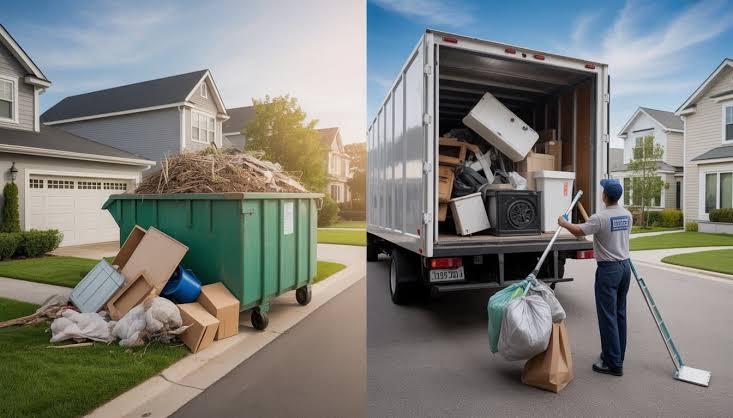
Choosing flexible dumpster rentals allows homeowners to manage larger projects according to their schedules, with additional disposal capacity available when ordinary collection isn’t sufficient.
Temporary containers can be especially useful during moving preparations, estate cleanouts, home remodeling, and landscaping improvements.
Before renting one, consider the estimated waste volume and material weight. Confirm available placement space, rental duration, and accepted materials with your provider.
Ask about extending the rental period if your project takes longer than expected. Renovations, after all, rarely follow the original timeline perfectly.
Having enough time and suitable disposal equipment can make demanding projects feel far less overwhelming.
Keeping Garbage Storage Areas Clean Throughout the Year
Garbage containers aren’t exactly decorative features, but their condition can influence the cleanliness of your property.
Food residue, leaking bags, and unsecured lids may contribute to unpleasant odors and attract pests, particularly during warmer weather.
Secure garbage bags properly and clean containers periodically. Keep lids closed and remove loose debris from the surrounding area.
Choose a storage location that remains accessible without interfering with entrances or frequently used outdoor spaces.
On collection day, follow your provider’s instructions regarding container placement and clearance.
These small habits take relatively little effort but can prevent considerable frustration later. Nobody wants to spend their Sunday afternoon cleaning scattered garbage from the driveway.
Reducing Household Waste Without Changing Everything
Living more responsibly doesn’t necessarily require dramatic lifestyle adjustments.
Consider how often groceries go unused, unnecessary packaging enters your home, or perfectly functional belongings are replaced simply because something newer is available.
Planning meals around existing ingredients can help reduce food waste and grocery expenses.
Reusable shopping bags, durable storage containers, and thoughtful purchasing decisions may also reduce the amount of garbage your household generates.
Before discarding unwanted furniture or clothing, consider whether these items could be donated or reused.
It’s not about achieving a perfectly waste-free household. That’s an unrealistic expectation for many families.
Instead, focus on manageable changes that fit comfortably into your daily life.
Understanding Which Materials Need Special Disposal
During household cleanouts, people often discover forgotten paint containers, old batteries, outdated electronics, and household chemicals.
These materials may require specialized disposal arrangements rather than ordinary garbage collection.
Improper handling can create safety risks for collection workers and environmental concerns.
When you’re uncertain about an item, contact your waste provider or local disposal authority for guidance.
It’s always better to check beforehand than create unnecessary complications after materials have been collected.
Enjoying a Cleaner Home With Less Effort
Effective household waste management comes down to dependable services, convenient sorting arrangements, and consistent everyday habits.
Choose collection options that reflect your household’s needs, prepare for larger cleanup projects, and look for practical opportunities to reduce unnecessary waste.
A clean, organized home doesn’t require perfection. It requires routines that work even when life becomes particularly busy.
And when garbage collection and disposal become straightforward parts of everyday living, there’s more time to enjoy your home rather than constantly worrying about keeping it clean.