A home has a funny way of telling you when something needs attention. A door starts sticking. A cabinet handle becomes loose. A tiny drip appears under the sink. Maybe a window won’t close quite as smoothly as it used to. None of these things seems urgent at first, so it’s easy to think, “I’ll get to it next weekend.”
Then next weekend becomes next month.
Keeping up with home repairs isn’t about making a house look perfect all the time. It’s really about preventing small issues from turning into expensive, disruptive problems. A little maintenance here and there can protect your property, improve comfort, and make everyday life noticeably easier.
Pay Attention to the Small Warning Signs
The earliest signs of a household problem are often subtle. You might hear a squeak when opening a door, notice a crack around a window frame, or find that a drawer doesn’t close properly anymore.
These details are worth paying attention to because they can reveal what’s happening underneath the surface. A door that suddenly sticks could be reacting to humidity, shifting, worn hardware, or a problem with the frame. Ignoring it won’t necessarily make the issue disappear.
Walk through your home occasionally and look at things with fresh eyes. Check areas that get heavy use, especially kitchens, bathrooms, entrances, bedrooms, and garages. You’ll often spot something that needs attention before it becomes a serious repair.
Don’t Ignore Problems With Locks
Security hardware deserves special attention because it protects more than just your belongings. A damaged or unreliable lock can become a genuine safety concern.
If locks are difficult to turn, don’t simply force the key harder. The mechanism may be worn, misaligned, dirty, or affected by the door itself. Repeatedly forcing it can make the problem worse and may eventually leave you unable to open or secure the door.
Check exterior doors periodically. Make sure the locking mechanism engages smoothly and that the door sits properly in its frame. If you notice unusual movement or resistance, it’s better to investigate early.
For rental properties, offices, and shared buildings, regular checks become even more important because doors may be used dozens of times every day.
Hinges and Latches Matter More Than They Seem
People tend to notice a door only when it stops working properly. Yet the hardware holding and controlling that door is doing its job constantly.
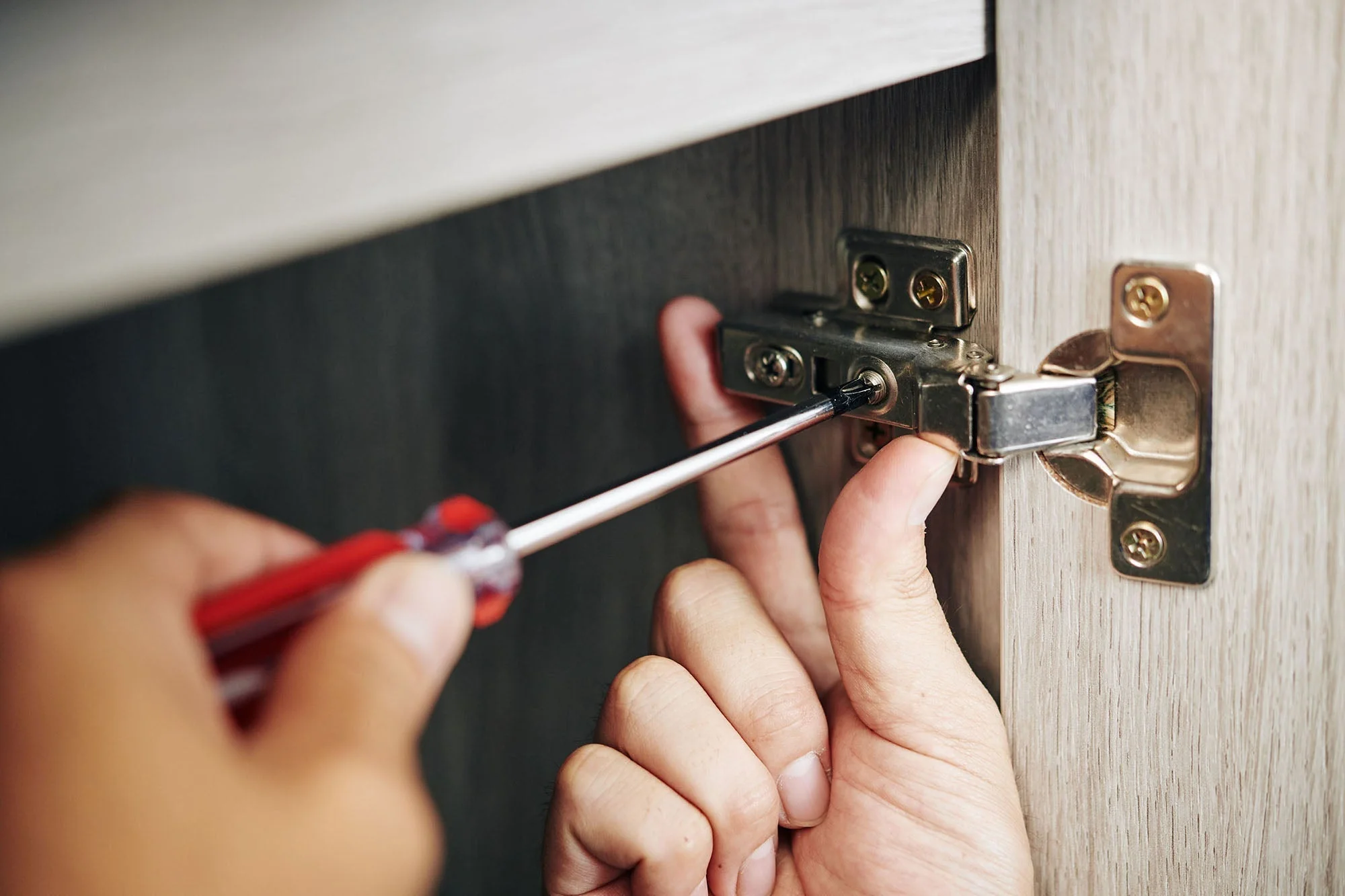
Loose or damaged hinges and latches can cause doors to sag, scrape against floors, or fail to close correctly. In some cases, a simple adjustment or replacement is enough to restore smooth operation.
Listen while opening and closing doors. A loud squeak might simply need lubrication, while a door that moves unevenly may require more attention. Tightening loose screws can also help, but don’t keep tightening hardware if the screw holes are stripped or the surrounding material is damaged.
Sometimes replacing a worn component is safer and more effective than trying to repair it repeatedly.
Water Damage Deserves Immediate Attention
Water is one of the most troublesome things in a home because a small leak can cause problems far beyond the original source.
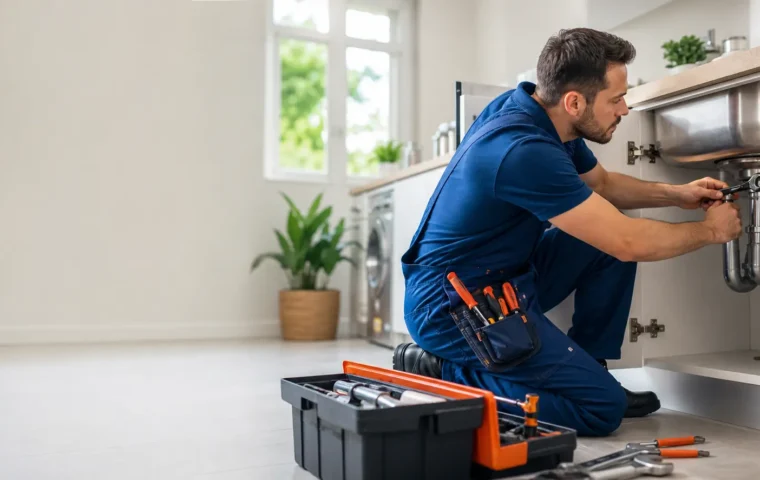
Check under sinks, around toilets, near washing machines, and around visible plumbing connections. Look for dampness, staining, peeling paint, swelling wood, or musty odors.
A small leak may seem harmless, especially if it only produces a few drops. But moisture that remains hidden behind cabinets, walls, or flooring can encourage mold growth and damage building materials.
If you discover active leaking, address the source as quickly as possible. Temporary solutions can help in an emergency, but persistent plumbing problems usually need a proper repair.
Look Up, Down, and Around
Home maintenance isn’t limited to what’s directly in front of you. Ceilings, floors, walls, and exterior areas can reveal problems too.
Ceiling stains may indicate a roof or plumbing issue. Cracks around doors and windows can sometimes point to movement or moisture. Soft flooring may suggest water damage underneath.
Outside, inspect gutters, downspouts, siding, exterior doors, and areas where water collects near the foundation. Keeping rainwater moving away from the house can prevent a surprising amount of trouble.
You don’t need to become a building inspector. Just get into the habit of noticing changes.
Know What You Can Handle Yourself
There are plenty of minor repairs that a homeowner can reasonably manage. Tightening loose hardware, replacing basic handles, lubricating hinges, touching up small areas of paint, and replacing worn weatherstripping may be straightforward if you have the right tools.
But confidence shouldn’t replace knowledge.
Electrical wiring, structural problems, gas appliances, major plumbing leaks, and certain roof repairs can involve serious risks. If you aren’t sure what’s causing the problem, getting professional help is often the smarter choice.
Trying to save money by guessing can sometimes turn a small repair into a much larger bill.
Keep a Simple Maintenance Routine
You don’t need a complicated schedule to stay on top of household repairs. Set aside a little time every few months to inspect commonly used areas.
Check doors and windows. Test smoke and carbon monoxide alarms. Look beneath sinks. Examine visible plumbing. Inspect outdoor drainage. Look for cracks, moisture, loose hardware, and unusual sounds.
Keeping a basic list can help. When something needs attention, write it down instead of relying on memory. Then prioritize repairs according to safety, potential damage, and how frequently the problem affects your daily life.
A Well-Maintained Home Feels Better
A comfortable home isn’t necessarily one with the newest finishes or the most expensive furniture. Often, it’s simply a place where things work the way they’re supposed to.
Doors close without a struggle. Water stays where it belongs. Locks work smoothly. Fixtures don’t wobble. Small problems are dealt with before they have a chance to grow.
That’s the real value of regular maintenance. You spend a little time and money now so you don’t have to spend much more later.
And honestly, fixing that annoying little problem you’ve been ignoring for months? It feels pretty good when it’s finally done.