If you’ve ever lived in the Pacific Northwest, you know people here care about their water. We hike around it, kayak on it, photograph it at golden hour. It’s part of the culture. So it’s no surprise that sooner or later, someone asks: is the water in Seattle better than the water in Bellevue?
At first glance, it feels like a rivalry question — the city versus the suburb. But when it comes to your kitchen faucet, the answer is less about competition and more about infrastructure, source, and treatment.
When people start comparing Seattle and Bellevue tap water, they’re usually looking for clarity, not bragging rights.
Let’s break it down in a way that actually makes sense.
Where the Water Comes From
Seattle’s drinking water primarily comes from the Cedar River and the Tolt River watersheds. These are protected mountain sources, carefully managed to minimize contamination. Because of this protected status, Seattle’s water is often described as “soft” and relatively low in dissolved minerals.
Bellevue, on the other hand, receives most of its drinking water from the same regional system — particularly the Cedar River supply — through the Cascade Water Alliance. In practical terms, this means both cities share very similar source water.
That’s the first surprise for many people: the starting point is largely the same.
Treatment and Chlorine Levels
Even if the source water overlaps, treatment processes can vary slightly depending on the utility provider and local distribution systems.
Seattle Public Utilities treats its water with ozone, ultraviolet light, and a small amount of chlorine for disinfection. The chlorine level is carefully monitored, but some residents report noticing a faint smell, especially during seasonal adjustments.
Bellevue’s system, managed in part through regional partnerships, also uses disinfection methods designed to meet federal and state standards. Chlorine levels are comparable, though individual perception of taste can vary widely.
This is where personal preference enters the conversation. Two neighbors can drink from the same tap and have completely different opinions.
Hardness and Mineral Content
One of the more measurable differences people care about in any water quality comparison is hardness. Hard water contains higher levels of calcium and magnesium, which can leave mineral buildup on fixtures and reduce soap lather.
Both Seattle and Bellevue are known for relatively soft water. That’s good news for appliances and skin alike. Compared to many parts of the country, the Pacific Northwest’s mountain-fed water is gentler on plumbing.
If you’ve moved here from somewhere like Arizona or Texas, you’ve probably noticed the difference immediately. Soap actually lathers. Glassware dries without white spots. It’s one of those small but satisfying adjustments.
Infrastructure Matters
Here’s something people don’t always consider: even if two cities share similar source water, the pipes delivering it to your home can make a difference.
Older homes in either Seattle or Bellevue may have aging plumbing that affects taste or introduces trace metals. Corrosion control programs help reduce this risk, but infrastructure age varies by neighborhood.
So while city-wide data might look nearly identical, individual homes can tell a slightly different story.
If you’re concerned about lead or copper from older pipes, testing your water directly is the most reliable way to know.
Taste: The Subjective Factor
Ask ten people which water tastes better — Seattle or Bellevue — and you’ll likely get ten answers.
Taste depends on mineral content, chlorine levels, and even temperature. Some residents describe Seattle’s water as “crisp” and clean. Others prefer Bellevue’s slightly different treatment balance.
In reality, the differences are subtle.
And for many households, a simple carbon filter removes any residual chlorine taste, making the comparison nearly irrelevant.
Environmental Stewardship
Both cities benefit from protected watershed systems and strong environmental policies. The Cedar River watershed, for example, is tightly controlled to prevent industrial or agricultural contamination.
That level of protection is one reason water quality in both Seattle and Bellevue consistently meets or exceeds regulatory standards.
It’s not something you think about while filling a glass — but it’s worth appreciating.
Should You Filter Anyway?
Even in cities with excellent source water, some residents choose to install under-sink filters or whole-house systems. Not because the water is unsafe, but because they prefer additional refinement.
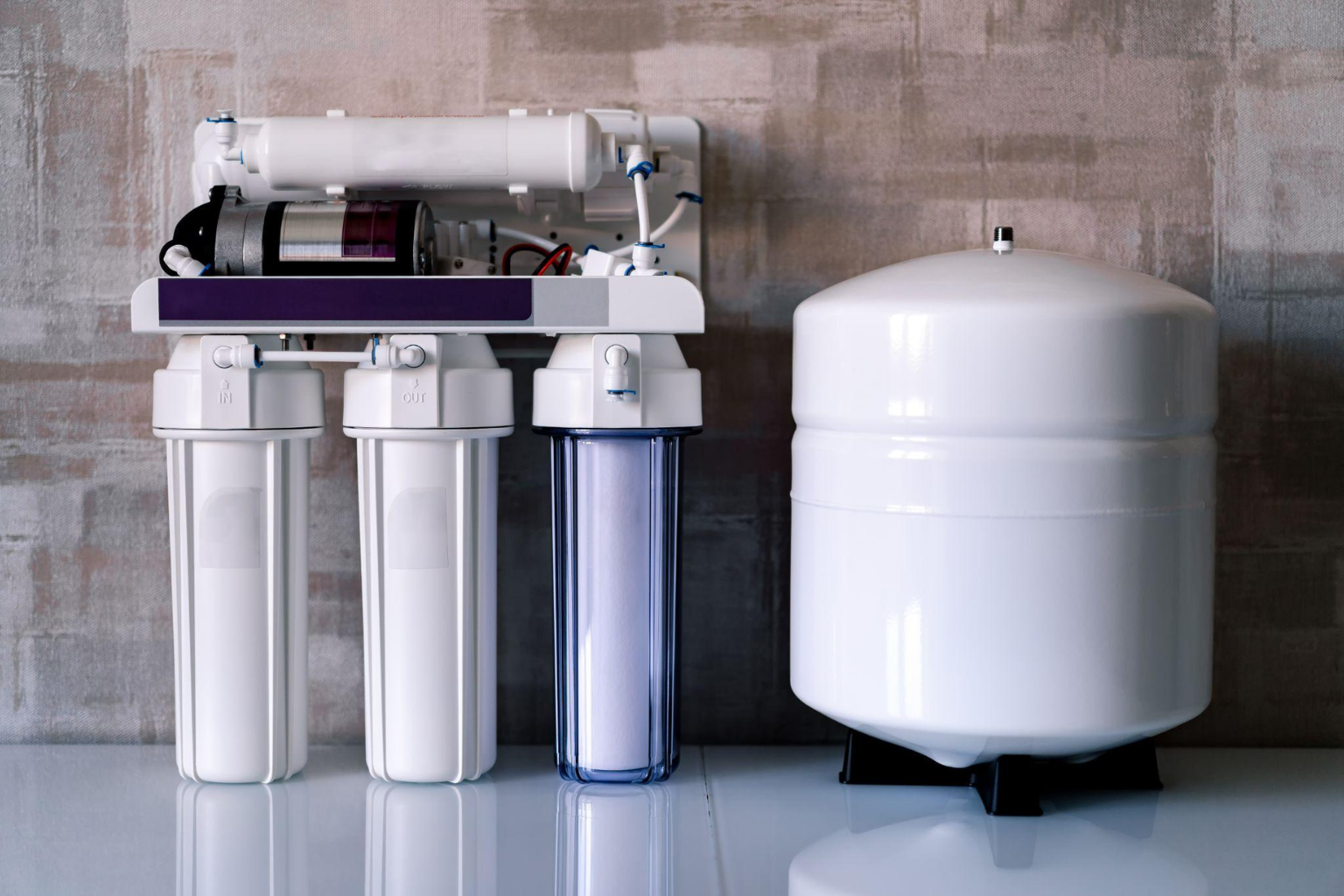
Carbon filters can reduce chlorine taste. Reverse osmosis systems can lower total dissolved solids further. For most people in Seattle or Bellevue, these are optional upgrades rather than necessities.
If you’re curious, reviewing your local water quality report is a good first step. It provides detailed information about detected substances and treatment methods.
So, Which Is Better?
Here’s the honest answer: they’re remarkably similar.
Both Seattle and Bellevue draw from high-quality, protected mountain sources. Both meet federal drinking water standards. Both maintain rigorous monitoring programs.
The differences, if any, are subtle — influenced more by local plumbing and personal taste than by major treatment disparities.
And that’s reassuring.
Because at the end of the day, water should be something you trust without overthinking. In both cities, you can turn on the tap with confidence.
If you’re still curious, test your water at home. It’s the only way to know exactly what’s flowing through your specific pipes.
But for most residents, the story is simple: whether you’re in Seattle or Bellevue, the water in your glass comes from the same mountain-fed system — and that’s something worth raising a glass to.