You don’t usually think about your water until it starts leaving clues. Chalky white spots on faucets. A cloudy film on shower glass that refuses to disappear no matter how hard you scrub. Towels that feel stiff instead of soft. It’s not dramatic. It’s just… annoying.
For many households, those signs point to hard water. And while hard water isn’t typically dangerous to drink, it can quietly create problems throughout your home.
That’s where water softener systems come in—not as flashy luxury add-ons, but as practical solutions to everyday frustrations most of us simply tolerate.
What Hard Water Really Does Behind the Scenes
Hard water contains elevated levels of calcium and magnesium. Those minerals don’t just pass through your plumbing unnoticed. They settle. They cling. They accumulate.
Over time, they form scale buildup inside pipes, around heating elements, and within appliances. Water heaters lose efficiency. Dishwashers work harder. Washing machines show wear sooner than expected.
It’s subtle at first. A little extra detergent here. A bit more cleaning effort there. But over the years, the cost of hard water adds up.
Softening water doesn’t change its safety—it changes how it behaves in your home.
Why Scale Is More Than a Cosmetic Issue
That crusty buildup around faucets? It’s not just ugly.
Scale restricts water flow, reduces appliance lifespan, and can increase energy usage. A water heater coated with mineral deposits must work harder to heat water. That means higher utility bills and more strain on internal components.
This is where proper scale prevention becomes valuable. By addressing hardness at the point water enters your home, softeners stop minerals from settling in the first place.
It’s preventive care for your plumbing system.
And when you think about the cost of replacing a water heater or dishwasher, prevention feels a lot more practical.
The Everyday Benefits You Actually Notice
While long-term protection matters, most homeowners first notice changes in daily comfort.
Soap lathers more easily. Shampoo rinses clean instead of leaving a residue. Skin often feels less dry after showers. Laundry feels softer without extra fabric conditioner.
These aren’t dramatic transformations. They’re small improvements that make daily routines feel smoother.
Some people even notice that cleaning becomes easier. Soap scum doesn’t cling as stubbornly. Glass surfaces stay clearer.
It’s the kind of change you didn’t realize you needed—until you experience it.
Understanding How Softening Works
Most residential softeners operate through ion exchange, a process of mineral removal. Calcium and magnesium ions are replaced with sodium or potassium ions, which don’t form scale.
The softened water then flows throughout the home, protecting pipes and appliances from buildup.
Modern systems are more efficient than older models. Many adjust regeneration cycles based on actual water usage, reducing waste and optimizing performance.
Maintenance is straightforward: periodically adding salt to the brine tank and scheduling occasional inspections.
It’s not complicated. It’s consistent.
Is a Softener Necessary for Every Home?
Not necessarily.
Water hardness varies by region. Some areas have relatively soft municipal water. Others—especially those relying on well water—experience significant mineral content.
The best first step is a water test. It reveals hardness levels in measurable terms. From there, you can decide whether softening is worthwhile.
If you’re constantly battling scale, using excessive detergent, or replacing appliances sooner than expected, chances are your water hardness is contributing.
Knowledge removes guesswork.
Cost vs. Long-Term Savings
Installing a softener requires an upfront investment. But when you factor in extended appliance lifespan, reduced cleaning product use, and lower energy bills, the long-term equation often makes sense.
It’s similar to insulating your home. You may not see immediate dramatic savings, but over time, efficiency improvements become noticeable.
And beyond numbers, there’s comfort.
What About Drinking Water?
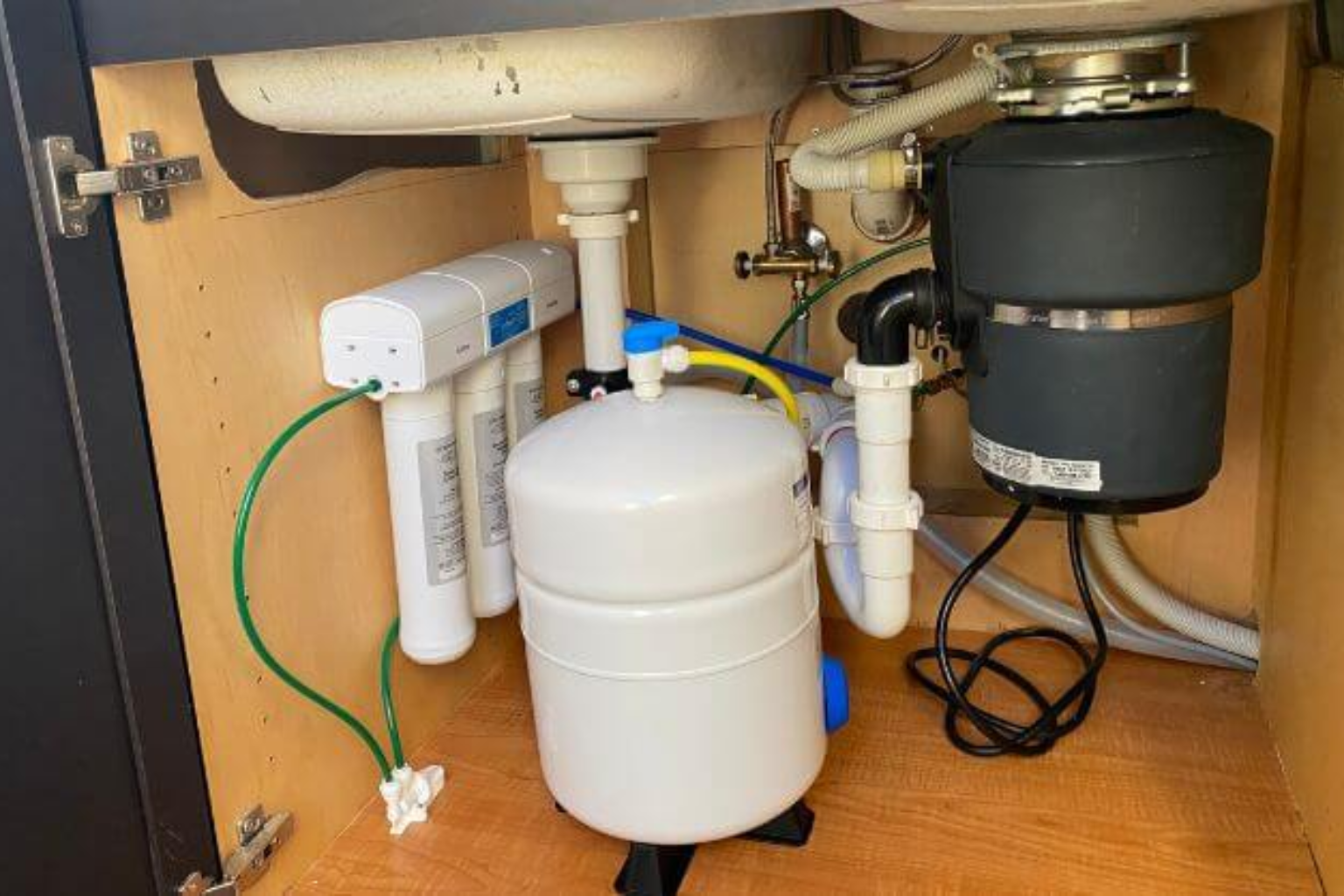
Some homeowners wonder whether softened water affects taste. In most cases, the difference is minimal. For those who prefer additional filtration for drinking purposes, combining a softener with a kitchen filtration unit offers a balanced approach.
Softening addresses hardness. Filtration can address taste or specific contaminants.
It doesn’t have to be one or the other.
Maintenance and Practical Expectations
Like any home system, softeners require care. Salt levels need monitoring. Resin beds eventually need servicing.
But compared to the maintenance headaches of untreated hard water—descaling appliances, scrubbing fixtures, replacing worn parts—the upkeep feels manageable.
Consistency keeps performance reliable.
A Small Upgrade With Lasting Impact
Hard water isn’t a crisis. It’s a quiet inconvenience. And because it’s quiet, many homeowners live with it for years.
But when you reduce mineral buildup, protect plumbing, and improve everyday comfort, the shift feels meaningful.
You stop fighting water spots. You stop wondering why soap doesn’t rinse well. You stop replacing small parts worn down by scale.
Sometimes the most effective home improvements are the ones you barely notice after installation—because they simply work.
If your home shows signs of mineral buildup, it may be worth exploring what a softener could do.
After all, water flows through nearly every part of your day. Improving it isn’t about luxury. It’s about making the everyday just a little easier.