Introduction
Access to essential services is vital for ensuring individuals with disabilities can live independently, safely, and with dignity. Across Victoria, support systems are continuously improving to meet diverse needs, with a strong focus on inclusion, accessibility, and empowerment. These services help individuals participate in education, employment, and community activities while also supporting families with structured care solutions. A coordinated approach ensures that people receive timely assistance tailored to their goals and abilities. One of the most important components of this system is Disability support Victoria, which focuses on delivering personalized care, daily living assistance, and community engagement opportunities that enhance overall well-being.
Person-Centered Disability Services
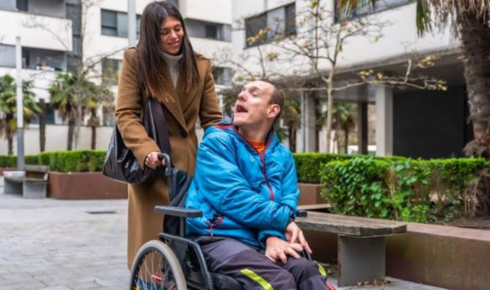
Person-centered disability services focus on empowering individuals to take control of their own support plans. This approach includes assistance with daily living tasks such as personal care, transport, therapy access, and skill development. Providers work closely with participants to set realistic goals and design flexible support strategies that adapt over time. By emphasizing independence and choice, services help build confidence and improve quality of life. Community participation programs also play a key role in reducing isolation and encouraging social connections. Trained support workers ensure respectful and consistent care while responding to changing needs. Families are actively involved in planning processes, which builds trust and transparency. Overall, this model ensures individuals receive tailored support that promotes dignity, independence, and long-term personal growth within their communities.
Accessible Housing and Community Living
Safe and accessible housing is essential for people with disabilities to live independently and securely. Appropriate housing options often include modifications such as ramps, widened doorways, and assistive technologies that support daily living. Government and community initiatives continue to expand access to suitable accommodation across the state. SIL Housing Victoria plays a significant role in providing affordable and accessible housing solutions for individuals and families in need. These programs aim to create inclusive living environments where residents can thrive with dignity and stability. Support services are often linked with housing arrangements to ensure individuals receive ongoing assistance when required. This integrated approach enhances independence while maintaining safety and comfort. It also encourages community participation and long-term housing stability for people with varying support needs across Victoria.
Collaboration Between Services and Providers
Disability support services in Victoria are strengthened through collaboration between government bodies, community organizations, and service providers. These groups work together to ensure consistent, high-quality support across different regions. Funding programs such as the NDIS help individuals access essential services without excessive financial pressure. Community organizations play a vital role in delivering direct care, social programs, and inclusion activities. Regular training for support workers ensures professional and compassionate service delivery. Monitoring and quality standards help maintain accountability and continuous improvement. By working together, stakeholders can identify service gaps and develop better solutions for people with disabilities. This coordinated system ensures that support remains flexible, inclusive, and responsive to changing community needs throughout Victoria.
Improving Independence and Well-Being
Ultimately, disability services aim to improve independence, well-being, and community participation. Through personalized care, individuals are encouraged to achieve personal goals and develop new skills. Services are designed to adapt over time, ensuring ongoing relevance and effectiveness. Emotional support and social engagement are also important aspects of care, helping individuals build confidence and resilience while maintaining meaningful connections.
Conclusion
In conclusion, Victoria’s disability and housing systems work together to create inclusive communities where individuals can live with dignity and independence. Continued investment in accessible services and housing ensures better opportunities for all.