It’s easy to ignore waste when everything seems to be running smoothly. Trash gets collected. Containers are emptied. Trucks arrive and leave without much fanfare. For many businesses, that’s the extent of the conversation.
But behind that routine rhythm is a more complicated story—one that involves regulation, environmental impact, safety, and long-term planning. Waste doesn’t just disappear because it’s hauled away. It goes somewhere. And how it’s handled along the way matters more than most people realize.
In today’s business environment, managing waste responsibly isn’t optional. It’s foundational.
The Shift from Disposal to Strategy
There was a time when waste was simply something to get rid of. Load it up, send it off, and move on. That mindset doesn’t hold up anymore.
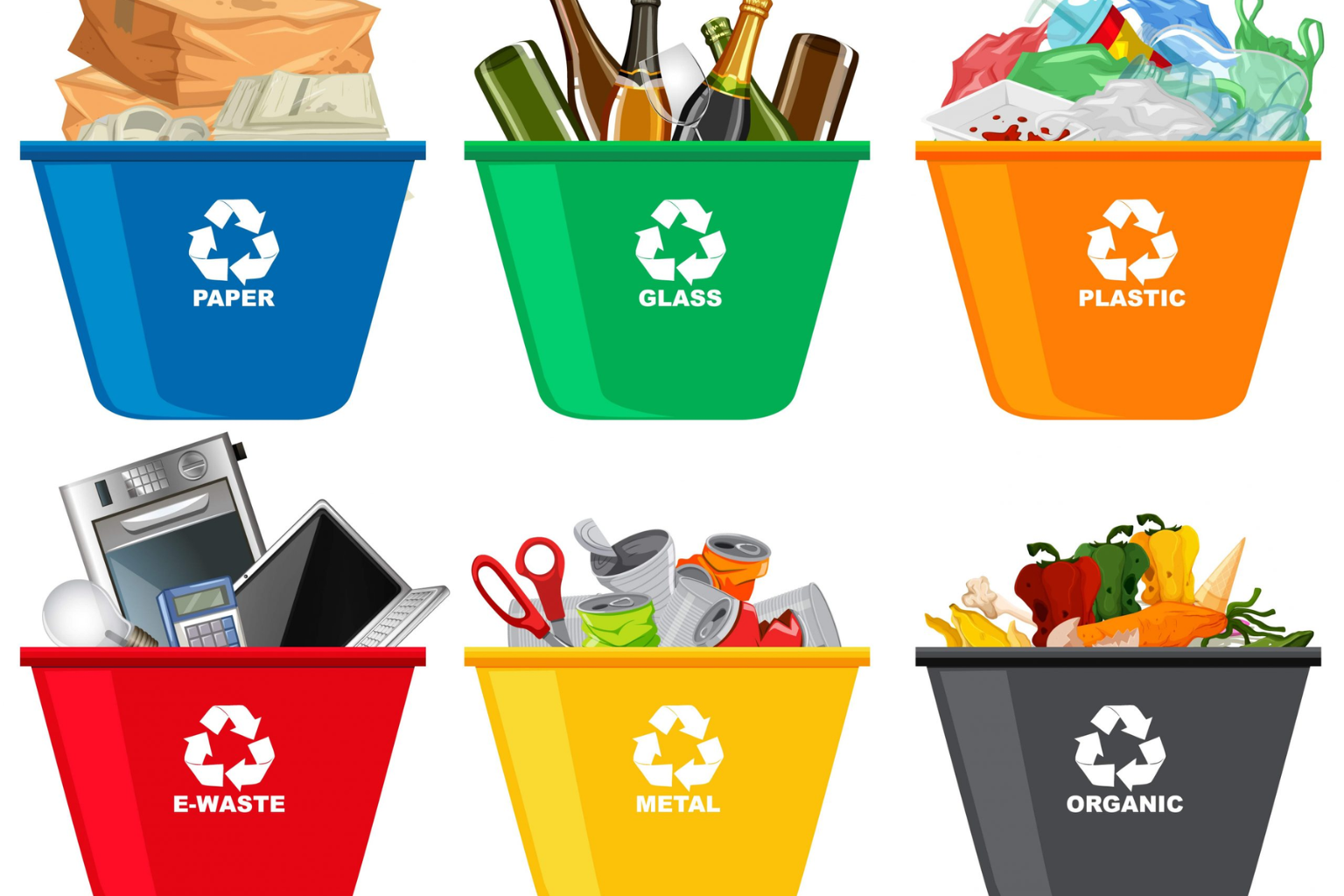
Modern operations rely on structured waste management solutions that consider reduction, recycling, reuse, and responsible disposal. It’s not just about removing unwanted material—it’s about managing the lifecycle of what’s left behind.
Forward-thinking companies evaluate how waste is generated in the first place. Are materials being overused? Could certain byproducts be recycled instead of discarded? Is storage compliant with environmental standards?
These questions aren’t abstract. They directly affect costs, compliance, and reputation.
Waste strategy, when done thoughtfully, often leads to both environmental and financial gains.
The Complex World of Regulated Materials
Not all waste is created equal.
Some materials require special handling due to their chemical composition, flammability, toxicity, or reactivity. Managing these substances isn’t as simple as tossing them in a container and calling for pickup.
Proper hazardous waste disposal involves identification, classification, documentation, secure transport, and delivery to approved treatment facilities. Every step must align with regulatory standards.
Mistakes here carry consequences—fines, legal liability, environmental harm.
And beyond regulations, there’s the human factor. Employees deserve safe working conditions. Communities deserve protection from improper handling practices.
Responsible disposal is more than compliance. It’s accountability.
The Role of Routine Removal
Even non-hazardous waste demands structure.
Scheduled waste removal ensures facilities remain organized, safe, and efficient. Overflowing bins create fire risks. Improper storage attracts pests. Cluttered areas slow down operations.
Consistent removal isn’t glamorous, but it supports daily productivity. It also reduces the likelihood of minor issues escalating into larger problems.
Think of it as maintenance for your entire operation.
When waste flows out smoothly, workflows inside run smoother too.
Financial Considerations You Can’t Ignore
At first glance, structured waste management might seem like an added expense. Specialized services, compliance reporting, recycling programs—they all carry costs.
But unmanaged waste often costs more.
Regulatory violations result in fines. Cleanup after improper disposal can be extensive. Lost productivity from cluttered workspaces adds up over time.
There’s also the reputational factor. In an age where environmental responsibility influences consumer decisions, poor waste practices can damage brand credibility.
Strategic waste planning is rarely the most expensive line item. It’s often the one that prevents much larger ones.
Sustainability and Public Expectation
Consumers, investors, and regulatory agencies increasingly expect businesses to demonstrate environmental responsibility.
Waste reduction initiatives, recycling programs, and transparent disposal practices show commitment beyond profit margins.
Many organizations now track waste metrics as part of sustainability reporting. Diverting materials from landfills, reducing hazardous outputs, and minimizing packaging waste aren’t just environmental goals—they’re strategic differentiators.
Responsibility resonates.
Planning Makes the Difference
Effective waste management doesn’t happen by accident. It requires planning.
That planning might include waste audits to understand material flow, employee training to ensure proper segregation, and partnerships with certified disposal providers.
Facilities that integrate waste strategy into operational planning experience fewer disruptions. They’re prepared for inspections. They maintain cleaner environments. They avoid last-minute scrambles when storage limits are exceeded.
It’s proactive rather than reactive.
The Human Side of Waste
There’s something deeply practical about waste management. It’s about respecting shared space.
Employees working in clean, organized facilities often feel a greater sense of pride and safety. Communities living near industrial or commercial operations feel more secure when disposal practices are transparent and compliant.
Waste handling may not inspire excitement, but it reflects values.
And values shape culture.
Technology Is Reshaping the Field
Advancements in waste processing technologies are making management more efficient. From compactors that reduce volume to tracking systems that monitor disposal chains digitally, innovation is transforming what used to be manual and opaque.
Digital documentation improves traceability. Recycling technologies recover materials that once ended up in landfills. Sustainable packaging initiatives reduce waste at the source.
Waste management is no longer static. It evolves alongside industry.
Final Thoughts
Waste is inevitable. Whether in manufacturing, healthcare, construction, or retail, byproducts are part of doing business.
The difference lies in how those byproducts are handled.
Thoughtful waste management protects employees, supports regulatory compliance, strengthens sustainability efforts, and preserves operational efficiency.
It’s not a side task. It’s a core responsibility.
And in a world increasingly focused on environmental stewardship, how a business handles its waste says a lot about how it handles everything else.