Water is part of nearly every routine at home. We use it to make coffee in the morning, wash vegetables for dinner, take a shower after a long day, and keep appliances running. So when the water starts leaving white marks on faucets, tastes a little odd, or causes problems with laundry, it doesn’t take long to notice.
These issues are common, but they don’t all have the same cause. Some homes have water with high mineral content, while others may need to address sediment, chlorine taste, or specific contaminants. The best approach isn’t to buy the most expensive system available. It’s to understand your water first and choose treatment that fits your household’s actual needs.
Start by Understanding Your Water
Before comparing products, take a closer look at the water coming into your home. Does it leave chalky deposits around taps? Is there a noticeable smell when you fill a glass? Do you see particles in the water after plumbing work, or has the taste changed recently?
These observations can provide useful clues, but they aren’t a substitute for testing. Water can look clear and still contain substances that need attention. Likewise, a cloudy appearance or unpleasant taste doesn’t automatically mean the water is unsafe.
Your water source matters, too. Municipal suppliers generally treat and monitor drinking water, and many provide annual quality reports. Private well owners usually need to arrange their own testing and should follow local recommendations for checking bacteria, nitrates, metals, and other relevant contaminants.
A water test can help identify hardness, pH, iron, and other characteristics that influence treatment choices. If you suspect a specific contaminant, make sure the laboratory test measures it directly. A basic hardness test, for instance, won’t tell you whether your water contains arsenic or PFAS.
Once you understand the results, it becomes easier to compare systems without paying for features you don’t need.
When Mineral Buildup Becomes a Daily Frustration
Hard water contains higher levels of dissolved calcium and magnesium. These naturally occurring minerals are generally not considered a health concern at typical concentrations, but they can create maintenance problems around the house.
You may notice white deposits on showerheads, cloudy marks on glassware, or a stubborn film on bathroom surfaces. Soap may also lather less easily, and mineral scale can accumulate inside water heaters and other appliances over time.
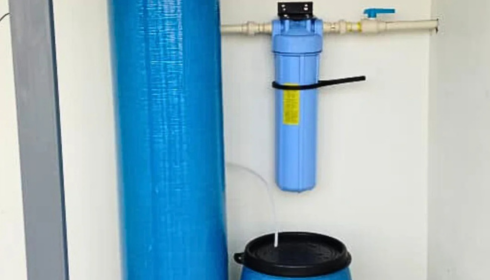
For households dealing with confirmed hardness, water softeners can be an effective long-term option. Most conventional softeners use an ion-exchange process to reduce calcium and magnesium. As a result, soap can work more effectively, mineral deposits may become less troublesome, and plumbing fixtures can be easier to maintain.
Still, a softener isn’t necessary in every home. If the water is already relatively soft, installing one may offer little benefit. Traditional systems also require salt or another regenerant, periodic maintenance, and consideration of wastewater discharge. Because the process commonly adds sodium to the softened water, households with sodium restrictions may want to discuss drinking-water arrangements with a qualified professional.
If hard water is the main issue, testing first helps ensure the system is sized correctly and suited to your water use.
Improving Drinking Water at the Kitchen Tap
Some homeowners are less concerned about mineral deposits and more interested in the taste of their drinking water. A chlorine-like flavor, earthy smell, or metallic note can make even a glass of clear water less appealing.
The cause should be investigated before selecting a filter. Chlorine used in municipal disinfection may affect taste and odor, while plumbing materials, naturally occurring minerals, or a problem with a private well can create other changes. A sudden change deserves attention, particularly if the water also becomes discolored or develops an unusual smell.
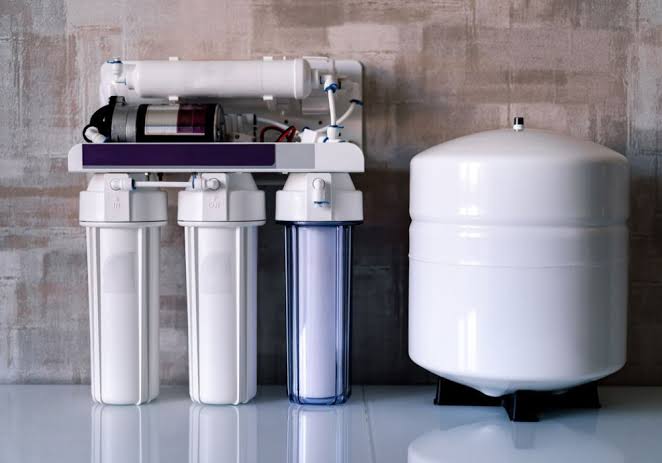
For certain drinking-water concerns, reverse osmosis systems may be a useful option. These systems push water through a semipermeable membrane that reduces many dissolved substances. Depending on the model and its certification, reverse osmosis can reduce specific contaminants such as certain dissolved salts, lead, or arsenic.
However, performance varies. Not every unit removes every contaminant, and the reduction claims should be checked against the actual water quality report. Reverse osmosis systems also produce wastewater and require regular replacement of filters and membranes. Some homeowners choose a remineralization stage to adjust the taste of the treated water.
A reverse osmosis system may be ideal for a kitchen drinking-water tap, but a whole-house installation isn’t automatically necessary. Think about where treatment is needed, how much water your family uses, and whether the system’s maintenance requirements suit your routine.
Choosing Filtration for the Problem You Actually Have
The word “filter” covers a wide range of products, and that can make shopping confusing. A simple sediment filter captures particles such as sand, rust flakes, and other suspended material. Activated carbon can reduce chlorine taste and odor and certain organic compounds. Specialized media may target particular metals or other substances.
The key is matching the technology to the contaminant. A sediment filter won’t reliably remove dissolved arsenic, and a basic carbon cartridge shouldn’t be assumed to disinfect water. Likewise, a water softener is designed mainly for hardness, not for removing every possible contaminant.
When comparing filtration equipment, look for independent certification and performance claims that specifically match your needs. Organizations such as NSF provide standards used to evaluate certain water treatment products, but certification must be checked for the relevant contaminant and reduction claim. A product that meets one standard may not be certified for another substance.
Consider the system’s capacity, installation requirements, replacement-filter costs, and maintenance schedule. A low-priced unit can become expensive if cartridges need frequent replacement or suitable parts are difficult to obtain. On the other hand, a complicated system may be unnecessary if a simpler certified filter addresses the problem.
For homes with several water quality concerns, a combination of treatment methods may be appropriate. A professional can help determine the correct order of filtration stages and whether a whole-house or point-of-use setup makes more sense.
Don’t Forget Installation and Maintenance
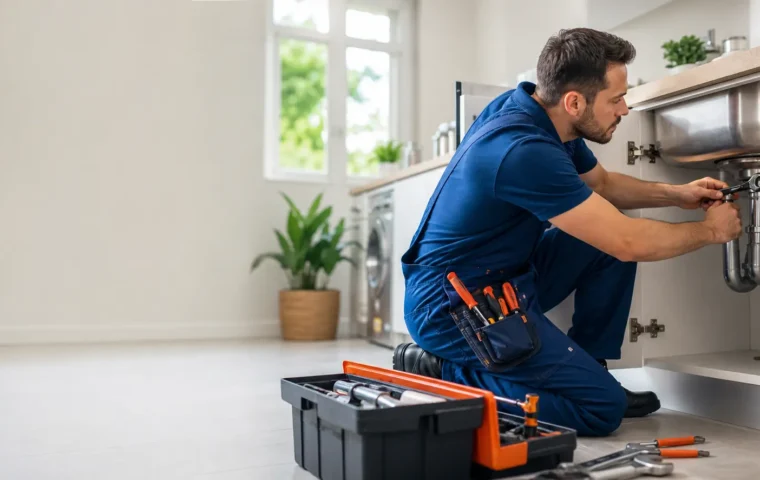
Even a well-chosen treatment system needs proper installation. Incorrect connections, unsuitable sizing, or poor maintenance can reduce performance and potentially create additional problems. Follow the manufacturer’s instructions and use a qualified installer when the work involves complex plumbing or electrical connections.
Keep a record of filter changes and servicing dates. Some systems have indicators, but these shouldn’t replace the recommended maintenance schedule. Filter life depends on water quality, the amount used, and the specific product.
Retesting can also be important, especially when the system treats a health-related contaminant. If the taste or appearance changes after installation, investigate rather than assuming the equipment is still working correctly. A treatment system should provide measurable results, not just reassurance.
Better Water Starts With an Informed Choice
Every home has different water needs. One family may benefit most from reducing mineral scale, while another may need a certified drinking-water filter or specialized treatment based on laboratory results. There isn’t one system that solves every problem.
Begin with testing, review the findings carefully, and compare options based on verified performance. Consider the initial cost, ongoing maintenance, water use, and the particular concerns affecting your household.
Cleaner, better-tasting water doesn’t have to involve unnecessary equipment or complicated upgrades. With a clear understanding of your water and a treatment system chosen for the right reasons, you can protect your plumbing, make everyday tasks easier, and feel more confident about the water your family uses.