If you manage or occupy a leased commercial space, chances are you’ve had at least one awkward moment trying to figure out who’s responsible for what when it comes to the roof. The tenant says it’s the landlord’s problem. The landlord says, “Check your lease.” And meanwhile, there’s a growing water stain on the ceiling that doesn’t care about your legal gray areas.
Roofs on commercial buildings are one of those things that everyone depends on but no one wants to claim when things go south. But here’s the thing — waiting too long to act can cost thousands, ruin relationships, and even shut down operations. So, whether you’re leasing, managing, or owning, understanding the nuances of commercial roofing on leased properties is a must.
Leased Property Roofs: That Blurry Line Between Responsibility and Reality
Leases often bury roof responsibilities deep in legal jargon. Some say the tenant is responsible for all internal maintenance, while the landlord handles structural issues — and that usually includes the roof. Others push more responsibility onto tenants. And some don’t say much at all.
That’s where things get dicey.
Here’s the reality: even if you’re not technically responsible, letting problems go unresolved doesn’t help anyone. Roofs don’t care who’s on the hook. A leak will damage inventory, equipment, and productivity just the same. Proactive attention is always better than a legal showdown.
If you’re in charge of leased property roofing, your best move is to know your lease terms, stay in communication with the other party, and get eyes on the roof before the damage becomes visible — and expensive.
When a Patch Isn’t Enough: Knowing When It’s Time to Replace
No one wants to replace a roof. It’s a big job, disruptive, and not exactly cheap. But there comes a point where repairs become Band-Aids on a bullet wound — and you’re just throwing good money after bad.
If you’re noticing recurring leaks, increasing repair frequency, visible blistering or cracking, or energy bills creeping higher because the roof’s lost its insulation value — it might be time.
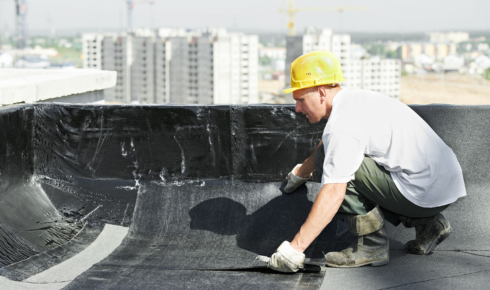
A proper commercial roof replacement is more than just ripping off the old and laying down the new. It’s about planning around business hours, choosing the right materials for your climate and building use, and coordinating between building owners, tenants, and contractors to make the process as smooth as possible.
When done right, a new roof can boost energy efficiency, tenant satisfaction, and the property’s value. Not bad for something most people never even see.
Don’t Wait for Water Stains — Inspections Are Your Best Friend
Here’s a simple truth: the sooner you spot a roofing issue, the cheaper it is to fix.
That’s why scheduling a roof inspection commercial at least once a year — and after every major storm — is one of the smartest decisions a property manager or tenant can make. A professional inspection can uncover early warning signs like soft spots, membrane wear, drainage problems, or flashing failures. Stuff that might take months to show up inside but is already brewing above.
Plus, having inspection records helps with everything from insurance claims to future planning. It shows you’ve been proactive, not reactive — and that can make all the difference when push comes to shove.
Working Together: Landlords, Tenants, and Roofing Pros
It might sound idealistic, but managing roofing responsibilities gets a whole lot easier when landlords and tenants treat it like a partnership rather than a blame game.
Landlords: even if the lease technically absolves you from daily maintenance, your property’s long-term value depends on that roof staying intact. And tenants: even if it’s not “your” building, protecting your business means keeping the roof in good shape.
That’s where experienced roofing contractors come in. They can assess the situation, offer unbiased insights, and help both parties make decisions that balance cost, compliance, and comfort. They’ve seen it all — and they can help cut through the tension with facts and solutions.
What to Look For in a Roofing Contractor
Not all roofers are created equal. For commercial or leased spaces, look for teams with:
- Experience in multi-tenant and leased property work
- Clear communication with all stakeholders involved
- Flexible scheduling to minimize disruption
- Transparent pricing and detailed inspections
- A track record of staying on budget and on time
You’re not just hiring someone to “fix a roof.” You’re hiring a team to protect your building, your tenants, your business — and your peace of mind.
Final Thoughts: You Can’t Afford to Ignore the Roof
Whether you’re a landlord managing a portfolio, a tenant running a storefront, or a facility manager stuck in the middle — the roof matters. A lot. It protects your space, your people, and your profit.
So don’t wait until water’s dripping into the light fixtures or a contractor’s shaking their head saying, “Yeah, we should’ve caught this last year.”