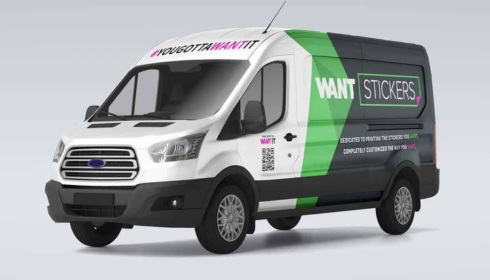
Every day, thousands of business vehicles travel through neighborhoods, business districts, highways, and residential streets without their owners realizing how much marketing potential they’re carrying. A simple drive to a customer appointment can generate hundreds—even thousands—of brand impressions.
That’s one reason professionally designed vehicle wraps continue gaining popularity across nearly every industry. They transform ordinary company vehicles into moving advertisements that work without demanding another monthly advertising budget.
Still, a great-looking wrap isn’t only about creative graphics. The materials behind the design play an equally important role. Durability, color retention, flexibility, and overall performance all depend on choosing quality products that are designed to handle years of real-world driving.
Understanding how those materials work can help businesses make smarter investments that continue paying dividends long after installation.
Vehicle Wraps Have Evolved Beyond Simple Advertising
Years ago, most commercial vehicles displayed little more than a company logo and a phone number.
Today’s wraps are entirely different.
Modern designs combine striking visuals, carefully planned layouts, premium printing technology, and durable installation techniques to create branding that’s both attractive and functional.
Businesses now rely on vehicle wrap solutions that can be customized for virtually any purpose, from promoting local service companies and delivery fleets to showcasing retail brands, nonprofit organizations, schools, healthcare providers, and municipal departments.
Instead of treating the vehicle as transportation alone, organizations increasingly view it as an extension of their brand identity.
That shift has completely changed the role vehicle graphics play in modern marketing.
Every Journey Creates New Opportunities
Unlike many advertising channels, vehicle wraps don’t depend on internet algorithms or media placements.
They simply travel wherever the business goes.
A technician driving across town.
A delivery truck making neighborhood stops.
A contractor parked outside a customer’s home.
Each trip creates countless opportunities for potential customers to notice the business.
Some people may only glance for a moment.
Others may remember the company name days later when they need a similar service.
These repeated impressions gradually build familiarity, and familiarity often becomes trust.
Materials Make the Biggest Difference
It’s tempting to focus only on the printed design, but experienced installers know that the material beneath the graphics largely determines how well the wrap performs.
Professional vinyl materials are engineered to remain flexible while resisting fading, cracking, shrinking, peeling, and weather damage. They conform smoothly around mirrors, bumpers, curves, and complex body panels without sacrificing appearance.
Lower-quality alternatives may reduce initial costs, but they often show signs of aging much sooner.
For businesses hoping to maximize long-term value, investing in premium materials usually proves more economical than replacing inexpensive wraps after only a short period.
Quality truly becomes visible over time.
A Professional Appearance Builds Customer Confidence
People notice details more than many business owners realize.
Imagine two service companies arriving at neighboring houses.
One vehicle is faded, unmarked, and difficult to identify.
The other features clean graphics, consistent branding, and professionally installed wrap materials.
Most homeowners naturally assume the second business is more organized and established.
Whether that’s completely fair or not, appearances influence expectations.
Professional vehicle branding creates confidence before employees even introduce themselves.
That silent first impression often becomes an overlooked part of excellent customer service.
Why Industry Standards Matter
While design attracts attention, manufacturing standards influence performance behind the scenes.
Many professional installers choose products supported by recognized vinyl certifications, giving customers additional confidence that the materials meet established quality and durability benchmarks.
These certifications often reflect consistent manufacturing processes, tested performance characteristics, and dependable long-term reliability.
Although certification alone doesn’t guarantee perfection, it provides reassurance that the products have been developed for demanding commercial applications rather than temporary decorative use.
For businesses managing multiple vehicles, that consistency becomes particularly valuable.
Great Design Is Surprisingly Simple
Some businesses try to include every possible detail on their vehicles.
Long service lists.
Several phone numbers.
Social media profiles.
Promotional offers.
Large blocks of text.
Ironically, these designs often become the hardest to read.
Drivers usually have only a few seconds to notice a passing vehicle.
The strongest wraps focus on a handful of essentials:
- Company name
- Memorable logo
- Primary service
- Website or phone number
- Consistent brand colors
Simple messaging improves recognition while making the vehicle look cleaner and more professional.
Sometimes restraint creates the strongest visual impact.
Vehicle Wraps Protect More Than Your Brand
An added benefit many customers appreciate is paint protection.
Quality vinyl creates a protective barrier between the original finish and everyday hazards like UV exposure, minor abrasions, road debris, bird droppings, and weather conditions.
While wraps aren’t intended to replace protective coatings entirely, they can help preserve the factory paint beneath.
When professionally removed, many vehicles retain excellent paint condition, which may contribute to stronger resale value later.
That makes wraps practical beyond their marketing advantages.
Installation Expertise Matters
Even exceptional materials require proper installation.
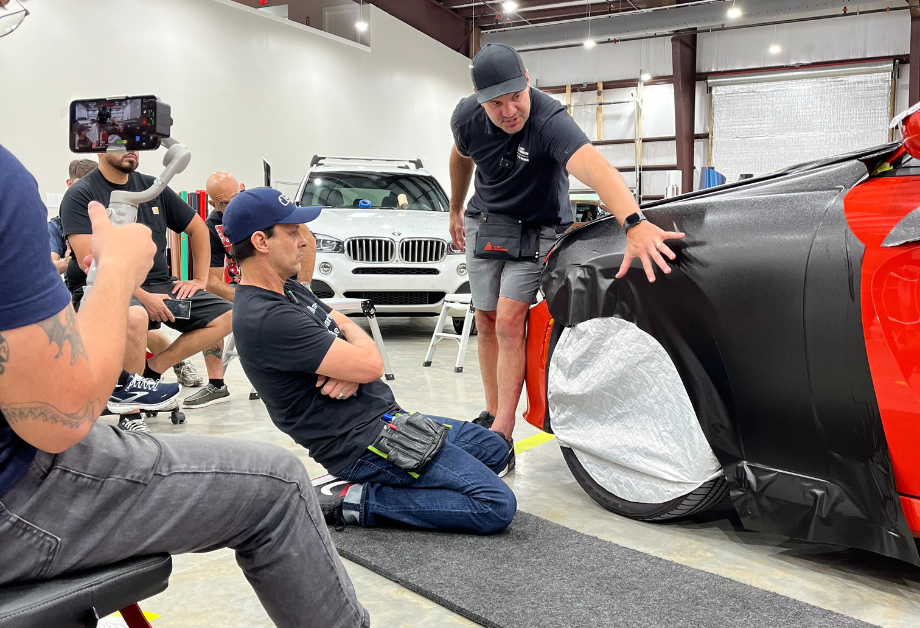
Professional wrap technicians spend years learning how different films respond to stretching, temperature, body contours, and environmental conditions.
Surface preparation is equally critical.
Small traces of dirt, wax, or grease can affect long-term adhesion if not completely removed before installation.
Experienced installers also understand where seams should be placed, how much tension the material can safely handle, and how to finish edges that remain secure over years of use.
These details often determine whether a wrap lasts three years—or seven.
Long-Term Marketing That Keeps Working
Advertising campaigns eventually expire.
Digital budgets run out.
Billboards come down.
Vehicle wraps continue working every day.
As long as employees drive company vehicles, the branding remains visible throughout the communities they serve. Every appointment, delivery, service call, and commute quietly reinforces awareness without requiring additional advertising investment.
Few marketing tools offer that combination of visibility, consistency, and longevity.
That’s why wrapped vehicles continue becoming an essential part of many successful businesses’ branding strategies.
Final Thoughts
Vehicle wraps have become much more than decorative graphics. They combine marketing, visual identity, and practical paint protection into one remarkably effective investment.
Choosing quality materials, working with experienced installers, and understanding the importance of durability can make the difference between a wrap that merely looks good on installation day and one that continues representing your business professionally for years.
Whether you’re branding a single company vehicle or an entire fleet, thoughtful material selection and careful craftsmanship create results that stand out for all the right reasons.
In today’s competitive marketplace, every mile traveled offers another opportunity to strengthen your reputation—and the right vehicle wrap helps ensure that opportunity never goes to waste.